
Case studies · Real client programmes
CNC Machining Case Studies
Five case studies from MW+ production programmes, each built on a client's own published words: the part, the tolerance, the process route, the inspection plan and the result. Medical implants, aerospace impellers, EV housings and automotive connector pins, machined in one Shenzhen facility.
- ±0.001mmtightest tolerance, titanium bone screws
- 500,000largest programme, automotive connector pins
- 4 daysfastest delivery, 5-axis aerospace impellers
- 10,000+PEEK medical parts with ISO 13485 traceability
All case studies
Machining case study library
Every case study below starts from a testimonial the client gave us, published word for word, and explains the engineering behind it: why the part was hard, how it was made, how it was inspected and what a buyer sourcing similar work should ask for. Filter by industry, or read them all.
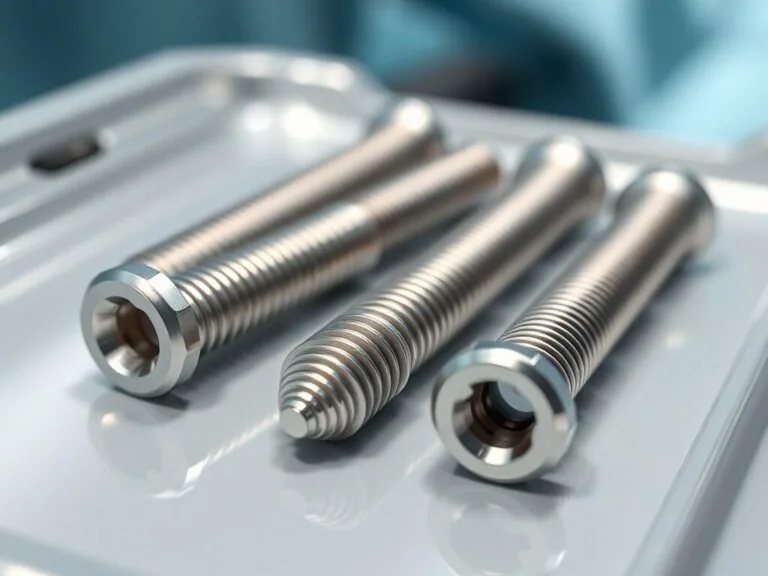 Medical devices · Swiss machining
Bone screw machining: Swiss-turned titanium screws at ±0.001mm
A UK orthopaedic implant company needed titanium bone screws for a Class III device, held to ±0.001mm on critical features and shipped with full device history records. The case study covers thread whirling, measuring a 2 µm band at 20 °C, and what full lot traceability means on an implant.
- ±0.001mm
- Class III
- Full DHR
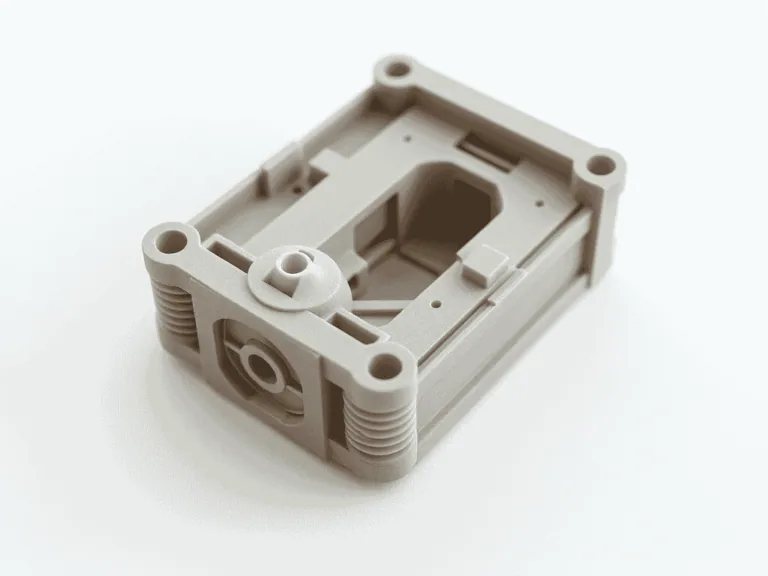 Medical devices · PEEK
PEEK medical parts: 10,000+ with full ISO 13485 traceability
A German device maker's quality manager on consistency order after order: how PEEK is stress-controlled, measured and traced from resin lot to shipment.
- 10,000+ parts
- ISO 13485
- On time
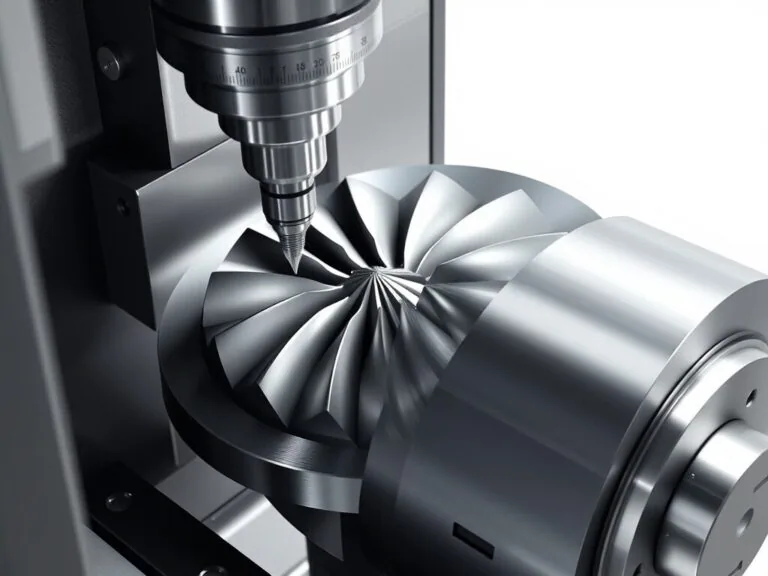 Aerospace · 5-axis
Impeller machining: 5-axis aerospace impellers at ±0.005mm
A US aerospace OEM's impellers: where a 20% tooling saving came from in DFM, why concentricity drives balance, and how the parts arrived in 4 days.
- ±0.005mm
- −20% tooling
- 4 days
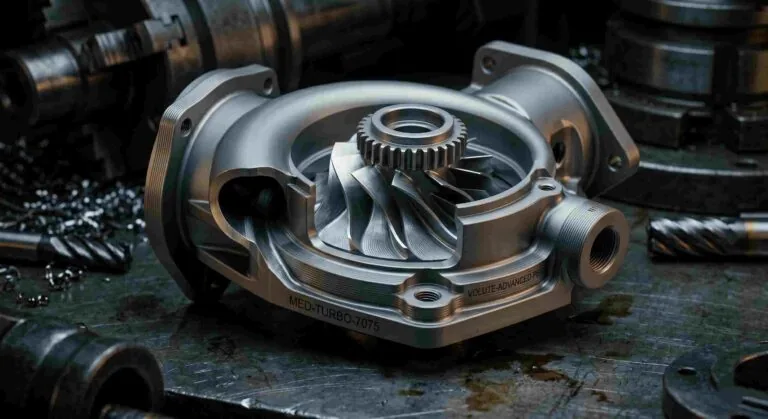 Automotive & EV · Milling
EV housing machining: complex aluminium housings across 3 batches
A Dutch EV supplier's housings: bore alignment, thin-wall clamping, technical cleanliness and the controls that keep batch three identical to batch one.
- 3 batches
- CMM every time
- IATF 16949
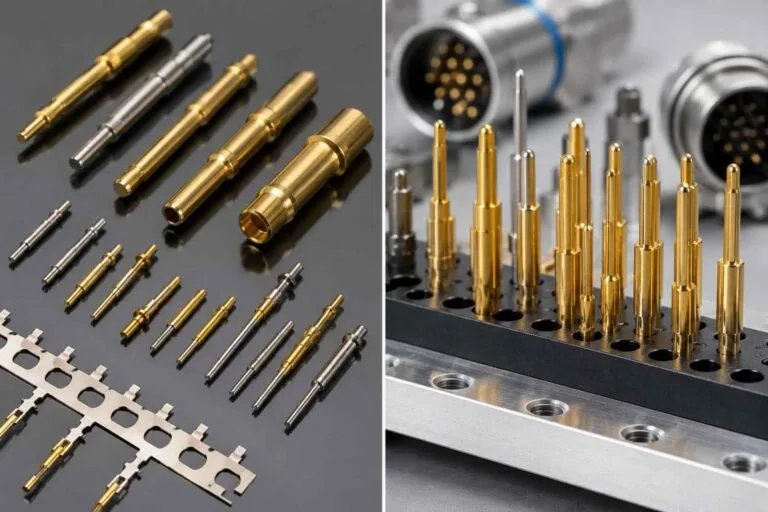 Automotive & EV · Connector pins
Automotive connector pins: 500,000 Swiss-turned in 3 weeks
An Austrian connector maker's harness pins: capacity planning for half a million parts, plating control and how zero defects was protected, now on the sixth repeat order.
- 500,000 pins
- ±0.005mm
- 0 defects
Results at a glance
What each programme delivered
The results column quotes only what each client stated. Part numbers, alloys and quantities that the client did not publish are left out on purpose.
Read across the rows and a pattern appears. The medical case studies are about traceability and measurement, the aerospace case study is about geometry and cost, and the automotive case studies are about repeatability at volume. Choose the case study closest to your own part and use it to frame the questions you ask any supplier, including us.
| Case study | Industry and region | Part and process | Key requirement | Result, in the client's words |
|---|---|---|---|---|
| Bone screw machining | Orthopaedic implants, United Kingdom | Titanium bone screws, Swiss-type turning | ±0.001mm, Class III, device history records | "Delivered to spec with full device history records" |
| PEEK medical parts | Medical devices, Germany | PEEK components, CNC milling and turning | ISO 13485 traceability across 10,000+ parts | "Consistent order after order", delivered on time |
| Impeller machining | Aerospace OEM, United States | Impellers, simultaneous 5-axis milling | ±0.005mm concentricity, fast turnaround | "Beyond expectations", 20% tooling saving, 4 days |
| EV housing machining | Automotive EV, Netherlands | Aluminium housings, multi-axis milling | CMM-certified parts in every batch | "Flawlessly across three production batches" |
| Automotive connector pins | Connectors, Austria | Connector pins, Swiss-type turning | 500,000 pins at ±0.005mm in three weeks | "No defects reported", sixth repeat order |
How we write them
Our rules for every case study
Supplier case studies are easy to exaggerate, and engineers know it. These case studies follow four rules so that each one can be trusted as evidence rather than read as advertising.
First, the client's words come first. Each case study opens with a testimonial that is already published on our homepage, quoted exactly. Second, the outcome claims go no further than what the client said. If a client did not state a quantity, a saving or a lead time, the case study does not invent one. Third, client names, part numbers and drawings are never published. Fourth, where we describe the machining route and inspection plan, we describe how MW+ runs that part family, and we say so on the page.
We hold ourselves to these rules because the alternative is familiar to every engineer who has sourced parts: glossy success stories with round-number savings that nobody can check. A case study that stays inside what the client actually said is less dramatic, but it is one you can put in front of your own quality team.
The value in each machining case study is the engineering explanation: why the part was difficult, which standard applies, a worked calculation that shows where tolerances go, and an honest section on when the approach is the wrong choice.
- Verbatim client quotes. The same wording as on our homepage, attributed by role, industry and country.
- No invented numbers. Results are limited to what the client stated; examples are labelled as examples.
- Confidentiality kept. No client names, part numbers or drawings are published.
- Real engineering. Named standards linked to their source, tolerances in real units and worked calculations.
- Honest limits. Every case study says when its approach is not the right one.
Engineering lessons
What the five case studies have in common
The parts are very different: a titanium screw a few millimetres across, a finned aluminium housing, a half-million-piece pin order. The lessons behind them are surprisingly similar, and they apply to almost any precision machining programme. Read them as a checklist for your own drawings and supplier conversations, whatever industry you work in.
| Lesson | Where it shows up | Why it matters to a buyer |
|---|---|---|
| Put tight tolerances only where the function needs them | Bone screws, PEEK parts, impellers | Inspection cost rises sharply below ±0.005mm, so every unnecessary tight tolerance adds price without adding function |
| Temperature decides whether a micron-level number is real | Bone screws, PEEK parts, EV housings | Parts measured warm can pass or fail on temperature alone; ask how and where critical features are measured |
| Fewer setups mean better alignment | Impellers, EV housings | Every re-clamp adds error between features that must line up; ask how many setups your part needs |
| DFM before quoting saves real money | Impellers | The client's 20% tooling saving came from drawing feedback, not from a cheaper hourly rate |
| Consistency is designed in, not inspected in | PEEK parts, EV housings, connector pins | Retained fixtures, locked programmes and first-off checks are what make the third order match the first |
| Capacity is committed at the quote stage | Connector pins, impellers | Fast deliveries depend on machines being allocated before the order arrives |
| Traceability is a chain with no gaps | Bone screws, PEEK parts | A lot record that stops at the machine shop door is not traceability |
Standards referenced
The standards behind these case studies
Each case study links the standards it relies on to their source. The most important ones across the set are listed here, with what they mean for a machined part.
| Standard | What it covers | Case studies |
|---|---|---|
| ISO 13485:2016 | Quality management for medical devices, including traceability and process validation | Bone screws, PEEK parts |
| AS9100D | Quality management for aviation, space and defence | Impellers |
| IATF 16949 | Automotive quality management, including PPAP and change control | EV housings, connector pins |
| ISO 2768 | General tolerances where the drawing gives none | All five |
| ISO 21940-11 | Balance quality for rigid rotors | Impellers |
| ISO 16232 | Technical cleanliness of automotive components | EV housings |
From quote to delivery
How a programme like these runs at MW+
Every case study on this page followed the same five stages. Knowing them in advance makes it easier to plan your own project and to judge any supplier's answers.
- 1. Drawing review and quote, within 24 hours. An engineer reads the drawing, flags the features that drive cost or risk and returns a price, a lead time and written DFM feedback.
- 2. Route and inspection plan. Machines, fixtures, tools and the inspection plan are fixed before the first cut, including how critical features will be measured.
- 3. First article. The first parts are measured against every characteristic on the drawing and released only when they conform.
- 4. Production with in-process control. Critical features are gauged and charted through the run, with a Cpk target of 1.67 or better on controlled characteristics.
- 5. Release and shipment. The lot is released with its certificate of conformance, CMM report and material certificates, and shipped by air or sea with tracking.
The same stages apply whether the order is one prototype or a production programme, which is why the case studies read so similarly despite their different parts. For the process side, see our CNC precision parts range and the multi-axis machining and Swiss machining services behind these case studies.
Behind every result
What every programme ships with
The case studies differ in industry and part, but the evidence that ships with the parts is the same. Every order from MW+ includes the first three documents below; the rest are available on request and quoted per programme.
| Document | Included | What it proves |
|---|---|---|
| Certificate of conformance | Every order | The shipment meets the drawing and purchase order |
| CMM inspection report | Every order | Measured results for the characteristics that matter |
| Material certificates | Every order | Alloy, condition and heat or lot of the material supplied |
| First article inspection to AS9102 | On request | Every characteristic verified on the first production part |
| PPAP Level 3 | On request | Automotive production part approval evidence |
| Lot and device history records | Medical programmes | Traceability from material to shipment under ISO 13485 |
These documents come from the same quality assurance system across the plant, certified to ISO 9001:2015, AS9100D, ISO 13485 and IATF 16949. Tolerances run from ±0.01mm to ISO 2768-m generally, to ±0.005mm for precision features and ±0.001mm on selected features.
For buyers and engineers
How to use case studies when qualifying a supplier
A case study is a starting point for questions, not a substitute for qualification. These are the questions worth asking any CNC machining supplier, including us, after reading their case studies.
- Is the part family close to yours? A Swiss-turned pin programme says little about a large 5-axis housing. Look for a case study that matches your process, material and tolerance.
- Can they show the records? Ask for a redacted inspection report or lot record from a similar job. It shows whether the documentation in the case study is real.
- What controls kept it repeatable? One good batch is easy. Ask how the second and third batches were kept the same.
- Where would they not use this approach? A supplier who can tell you when their method is the wrong choice understands it.
- Will they review your drawing first? A DFM review before quoting is the fastest way to test a supplier's engineering depth on your own part.
Our checklist for choosing a CNC machining supplier in China goes further, and the 5-axis supplier audit covers multi-axis work in detail.
Industry guides
Go deeper by industry
Each industry guide explains the standards, materials and inspection requirements behind the case studies above, without a customer story. Where a case study shows one programme, the matching guide sets out the general rules, so the two are best read together before you send a drawing for review.
Questions
Case studies: frequently asked questions
Are these case studies based on real projects?
Are these case studies based on real projects?
Yes. Each case study is built on a testimonial a client gave MW+, published word for word on our homepage and attributed by role, industry and country. The outcome claims in each case study go no further than what that client stated.
Why are client names not published in the case studies?
Why are client names not published in the case studies?
Most of our clients buy under non-disclosure agreements, and their part designs are their intellectual property. We publish the role, industry and country of each client and keep names, part numbers and drawings confidential.
Can I talk to an engineer about a project like one of these?
Can I talk to an engineer about a project like one of these?
Yes. Send your drawing through the contact page and an engineer replies within 24 hours with a quote and DFM feedback. If your part is similar to one of these case studies, say which one, and we will explain what would be the same and what would differ.
Which industries do the CNC machining case studies cover?
Which industries do the CNC machining case studies cover?
Medical devices, aerospace, automotive and electric vehicles, and automotive connectors. MW+ also machines parts for robotics, industrial machinery, semiconductor equipment and electronics, covered in our industry guides and engineering articles.
What documents came with the parts in these case studies?
What documents came with the parts in these case studies?
Every MW+ order ships with a certificate of conformance, a CMM inspection report and material certificates. Medical programmes add lot and device history records, and first article inspection to AS9102 or PPAP Level 3 is available on request.
What tolerances can MW+ hold on parts like these?
What tolerances can MW+ hold on parts like these?
Our general tolerance is ±0.01mm to ISO 2768-m, with ±0.005mm on precision features and ±0.001mm on selected features, as on the titanium bone screws. The right tolerance for each feature is confirmed in the DFM review.
How fast can a project like these start?
How fast can a project like these start?
Quotes are returned within 24 hours. Prototypes typically ship in 3 to 5 business days, with a 48-hour express route for simple parts, and production lots in 10 to 15 business days. There is no minimum order quantity.
Do the case studies show the actual parts that were made?
Do the case studies show the actual parts that were made?
The photographs come from the MW+ image library and show the same part families, processes and equipment, not the clients' confidential parts. Client parts and drawings are never photographed for publication without permission, which is also why part numbers and drawings are not shown.
Can a small order or a single prototype be handled the same way?
Can a small order or a single prototype be handled the same way?
Yes. There is no minimum order quantity, and a single prototype goes through the same drawing review, first article check and documentation as a production lot. The only difference is that fixtures and programmes built for one part carry more of the cost per piece.
Will you publish new case studies?
Will you publish new case studies?
Yes. New case studies are added as clients agree to share their experience. They follow the same rules: the client's own words, no invented figures and no confidential details.
Start a project
Have a part like one of these case studies?
MW+ is a precision CNC machining company with 60+ multi-axis machines, Swiss-type lathes, EDM and CMM inspection in one 15,000 m² facility in Shenzhen. Send the drawing for a quote and free DFM feedback within 24 hours.