





Precision
Laser
Cutting &
Fabrication
ISO 9001:2015 certified. High‑power fiber & CO₂ laser cutting for aerospace, medical, defense & industrial. From prototype to high‑volume — 24h quote with DFM. Cut blanks move straight into our CNC machining services when a part needs machined features.
Precision Laser Cutting: The Backbone of Modern Fabrication
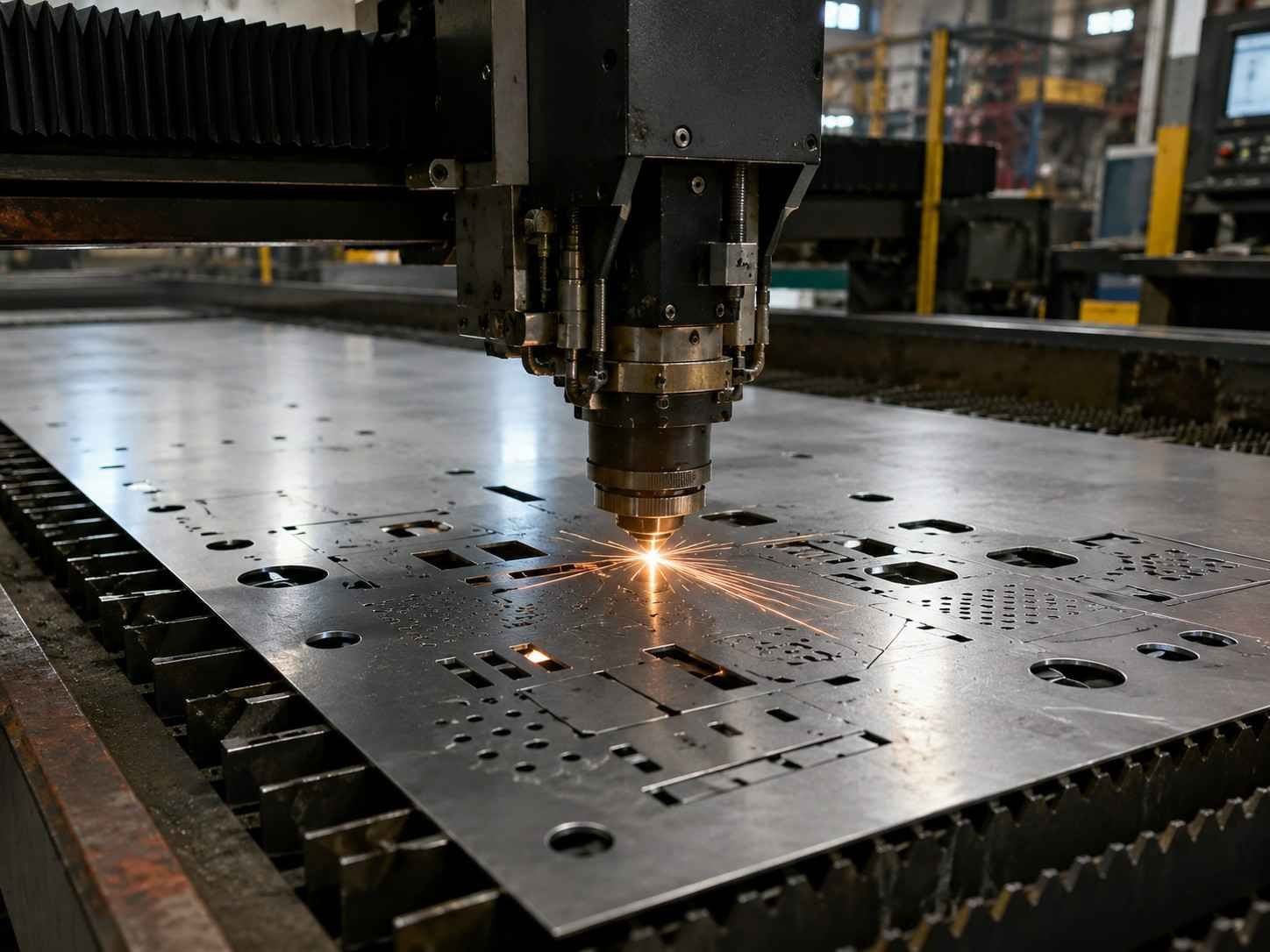
From rapid prototypes to high‑volume production, MetalworksPlus delivers end‑to‑end laser cutting solutions. Our 15,000 m² facility houses 12 advanced laser systems, including 20kW fiber lasers, CO₂ lasers for non‑metals, and automated tube lasers.
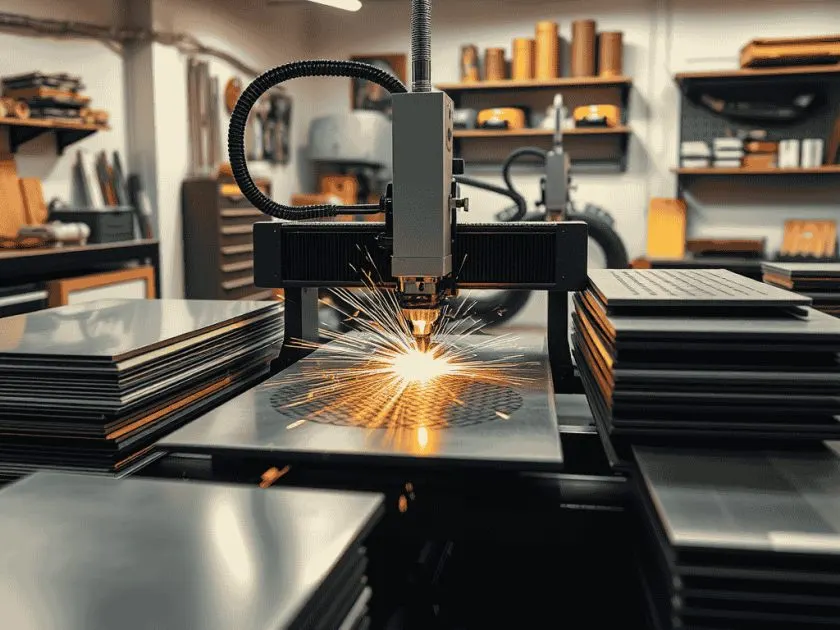
We process sheets up to 80″ × 160″ in mild steel, stainless, and aluminum with exceptional edge quality. Our engineering team provides DFM feedback on nesting, kerf compensation, and material selection. Every project follows ISO 9001:2015 workflows with full material traceability.
Advanced Laser Cutting Technologies
Fiber, CO₂, tube laser — no MOQ, DFM included. We handle everything from intricate brackets to high‑volume blanks with in‑house metrology.
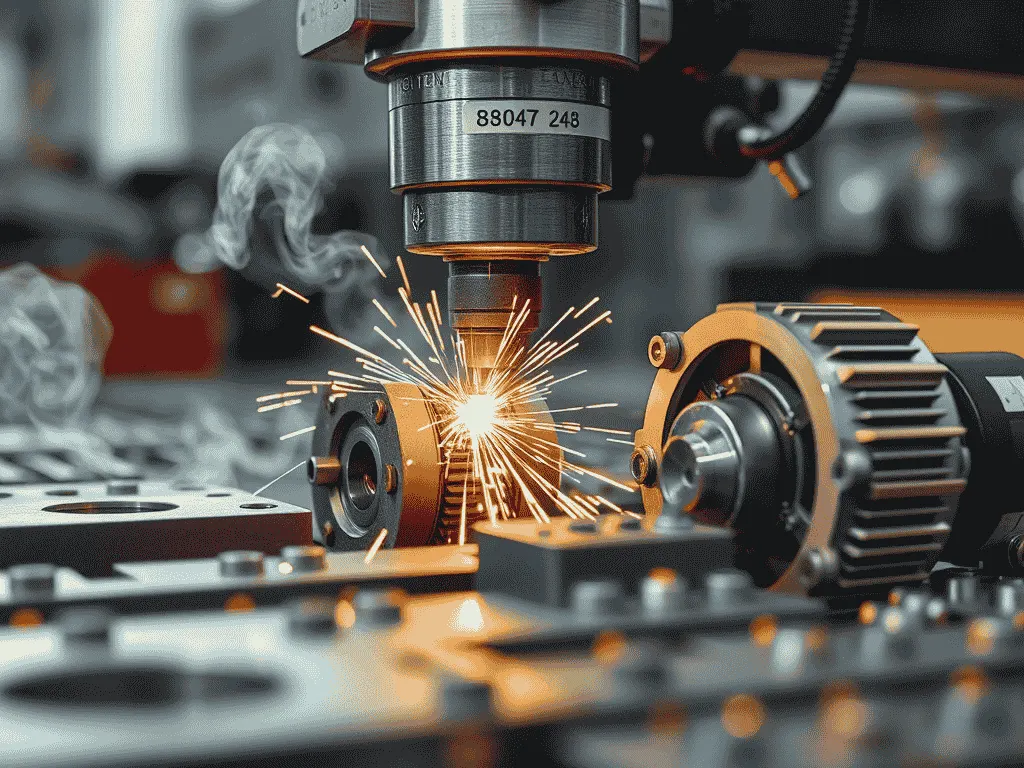
High‑Power Fiber Laser
2kW–20kW fiber lasers. Cut mild steel, stainless, aluminum, brass, copper up to 1″ thickness. High‑speed cutting with nitrogen/oxygen assist and exceptional edge quality.
Tube & Profile Laser
Round, square, rectangular tubes, angles, channels. Rotational cutting, miters, notches, holes. Ideal for frames, roll cages, structural components up to 8″ diameter.
CO₂ Laser (Non‑Metal)
Acrylic, polycarbonate, wood, composites, textiles. Precision cutting, engraving, and etching. Perfect for gaskets, signs, industrial panels, and protective covers.
Micro & Precision Cutting
Thin foils, electronic shims, medical stents. ±0.002″ positional accuracy, minimal kerf, no burrs. High‑speed processing for the most delicate components.
Automated Nesting & JIT
Optimized material utilization up to 95%. Reduce waste, lower cost per part. Just‑in‑time programs, Kanban, and vendor‑managed inventory available.
Integrated Finishing & Assembly
Deburring, powder coating, anodizing, plating, welding, hardware insertion. One‑stop fabrication from raw sheet to finished assembly — single accountability.
The Trusted Partner for Laser Cutting
We don't just cut metal — we deliver reliability, speed, and engineering excellence. Here's why global OEMs and startups choose MetalworksPlus.
Uncompromising Quality
ISO 9001:2015 certified with full metrology lab (CMM, optical comparators). 100% inspection for critical features, FAIR per AS9102, and SPC monitoring ensure zero‑defect supply.
Rapid Turnaround
Prototypes in 24–48 hours, production lead times cut by 30% vs industry average. 24h quoting and real‑time project updates via our customer portal.
Global Supply Chain
We ship worldwide — air, sea, or express. JIT programs, vendor‑managed inventory, and secure, access-controlled data handling for sensitive programs.
End‑to‑End In‑House
Laser cutting to bending, welding, machining, finishing, and assembly — all under one roof. No subcontractor delays, single point of accountability.
Dedicated Engineering Support
DFM feedback, nesting optimization, material selection, and cost‑reduction ideas. Our engineers work alongside your team to improve manufacturability.
Secure & Defense Ready
Secure facilities, export control expertise, and mil‑spec finishing capabilities. Trusted by aerospace and defense primes.
Laser Cutting Tolerances
Our metrology lab includes Zeiss CMM, Keyence vision systems, optical comparators, and profilometers — all calibrated to NIST standards. 100% inspection for critical features and FAIR per AS9102.
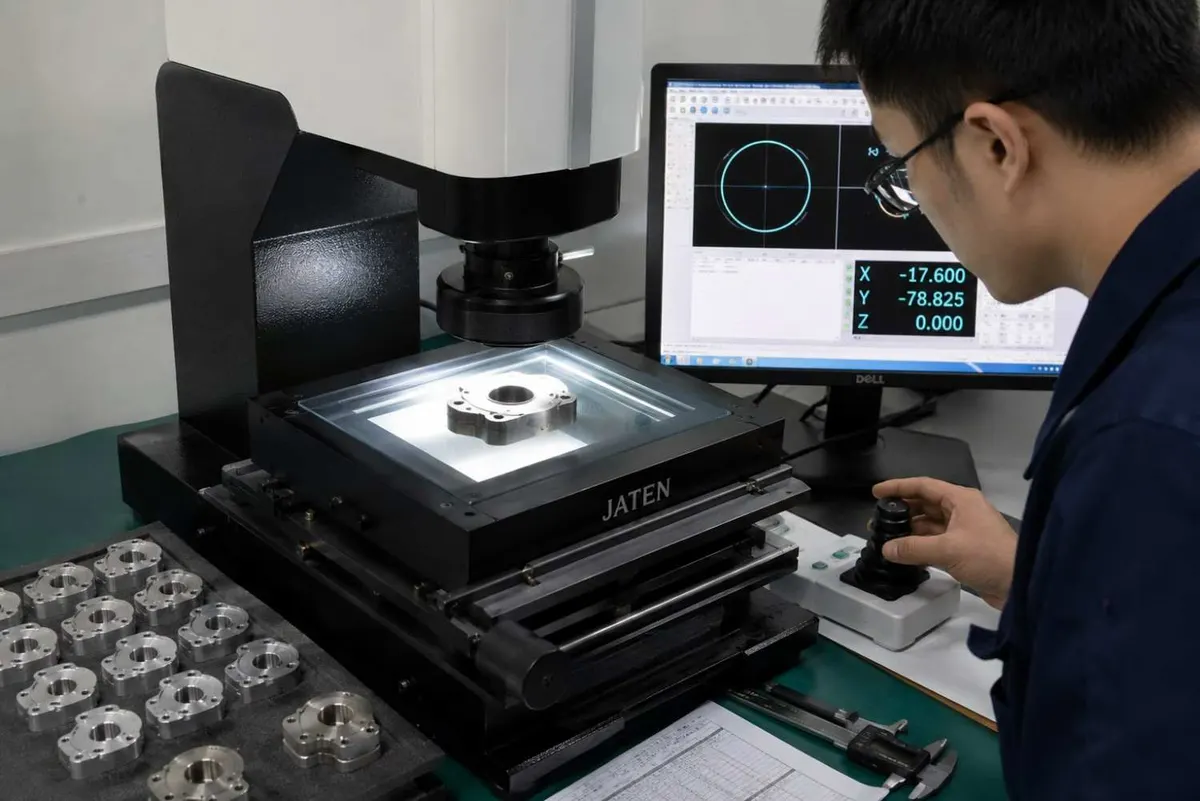
SPC and in‑process probing guarantee Cpk ≥ 1.33 for critical features in high‑volume runs. Full material traceability with mill test reports and heat‑lot control.
| Process / Material | Standard | High‑Precision | Applications |
|---|---|---|---|
| Fiber Laser – Steel (up to 1″) | ±0.008″ | ±0.004″ | Structural, chassis |
| Fiber Laser – SS / Aluminum | ±0.006″ | ±0.003″ | Enclosures, panels |
| Tube Laser Cutting | ±0.010″ | ±0.005″ | Frames, roll cages |
| CO₂ – Plastics | ±0.008″ | ±0.005″ | Acrylic, gaskets |
| Positional Repeatability | ±0.002″ | ±0.001″ | Precision nests |
| GD&T True Position | ±0.010″ | ±0.005″ | Assemblies, flight parts |
Quality Components Across Every Industry
From brackets to complex enclosures — rigorous quality control and industry‑specific expertise for every sector.
Aerospace
Brackets, firewall panels, ducting, enclosures. Aluminum, titanium, Inconel. Full traceability, NADCAP certified quality assurance.
Medical
Surgical instrument trays, enclosures, custom fixtures. 316L stainless, anodized aluminum, cleanroom finishing available.
Defense
Armor panels, vehicle components, mounting plates. AR500, MIL‑SPEC coatings, fully traceable supply chain.
Industrial Machinery
Gearbox covers, frames, guards, heavy‑duty brackets. Up to 1″ steel, powder coated to specification.
Automotive & EV
Battery trays, chassis brackets, motor mounts, high‑volume blanking. PPAP level 3 support available.
Electronics
RF shields, heat sinks, enclosures, EMI gaskets. Tight tolerances, conductive and dielectric finishes.
Custom Laser‑Cut Parts & Standard Blanks
From brackets to complex enclosures — all manufactured to specification with full quality documentation.
Laser Cut Mounting Bracket
3mm steel, powder coated, complex contour, weld assembly ready.
Mild SteelAluminum Electronic Enclosure
Fiber laser cut, PEM hardware insertion, EMI shielding.
5052‑H32Stainless Control Panel
16ga 304SS, deburred, brushed finish, all cutouts to spec.
304 StainlessStructural Gusset
1/4″ A36 steel, laser cut, precision holes, powder coated.
A36 SteelAcrylic Display Panel
CO₂ laser cut, polished edges, custom engraving available.
AcrylicCopper Busbar
Fiber laser cut, tinned finish, high conductivity C110 copper.
C110 CopperWe Supply & Sell — Custom and Standard Blanks
Global supplier of precision laser‑cut components. Custom fabrication or ready‑to‑ship standard blanks from inventory.
Custom Laser Fabrication & Supply
Full‑service laser cutting with complete traceability and certifications. JIT delivery, inventory management, and kitting services. Complex brackets, precision enclosures, or high‑volume blanks.
- ISO 9001:2015 certified — quality assurance on every part
- NADCAP accredited — secure defense supply chain
- Global shipping — air, sea, or express to your facility
- Volume discounts — competitive pricing from 1 to 100k+ units
Standard Blanks — Ready to Ship
Broad inventory of standard laser‑cut blanks: washers, gussets, mounting plates, brackets. Available for immediate shipment. Bulk pricing for OEMs and distributors.
- Same‑day shipping on stocked items
- Bulk pricing for OEMs and industrial distributors
- Custom packaging, labeling, and kitting
- Request our standard blanks catalog for quick sourcing
70+ Engineering Materials
Full certification & traceability on all materials. Popular grades stocked and ready.
🔩 Stainless Steels
Medical, food processing, architectural applications.
✈️ Aluminum Alloys
Aerospace, heat sinks, automotive panels.
🧪 Engineering Plastics
Insulators, signs, medical devices.
🌟 Exotic Alloys
Defense, high‑temp, aerospace applications.
⚙️ Carbon & Alloy Steels
Structural, wear parts, brackets.
🔌 Copper & Brass
Busbars, electrical contacts, decorative.
Surface Finishes & Secondary Excellence
Enhancing performance, durability, and appearance — all in‑house, no subcontractors.
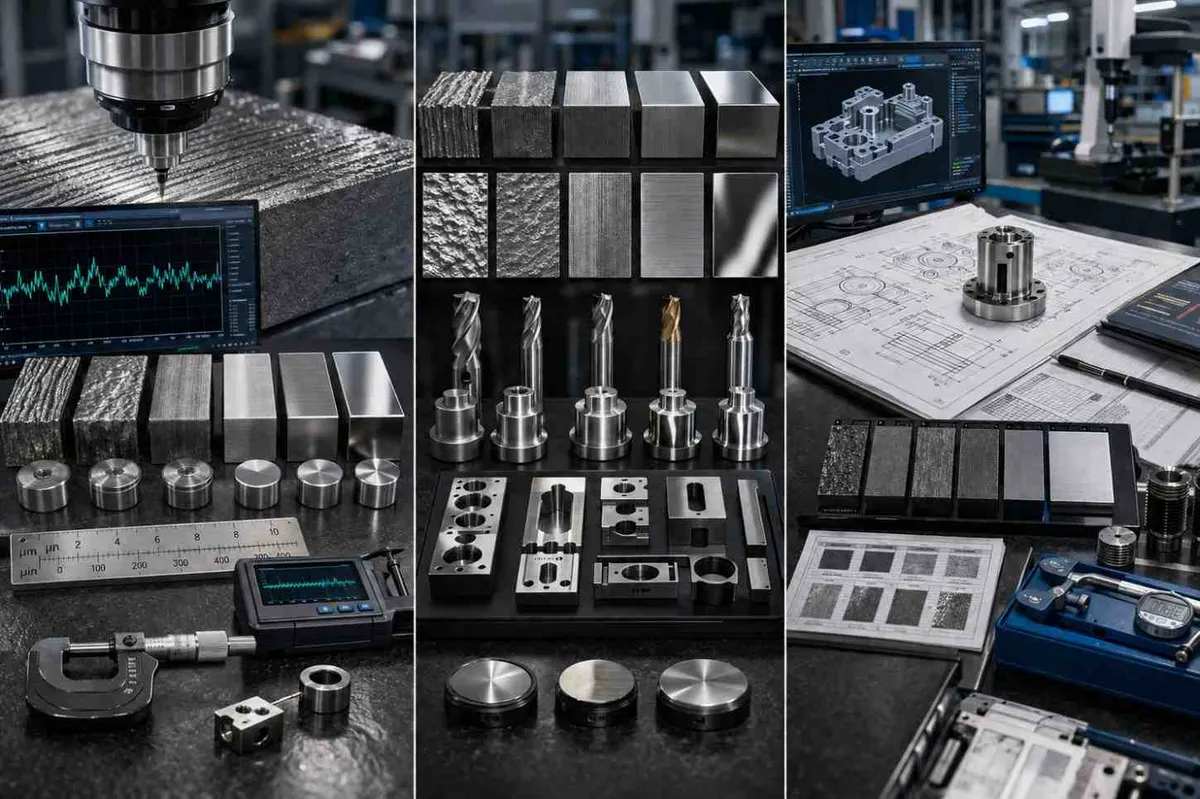
Powder Coating
Durable, decorative finishes. Wide color range, ideal for industrial components.
Anodizing (Type II/III)
Hardcoat & decorative. MIL‑A‑8625, corrosion & wear resistance. Aerospace, medical.
Electropolishing
Mirror‑like finish, improves cleanliness & passivity. Medical & semiconductor.
Passivation
Removes free iron, enhances corrosion resistance. Stainless steel per ASTM A967.
Plating (Zn, Ni, Cr)
Electroplated finishes for conductivity & protection per ASTM specifications.
Deburring & Linishing
Automated deburring, edge rounding, surface conditioning for safe handling.
Solving Real Problems
From redesigns to just‑in‑time supply chain solutions — see how we deliver results.
✈️ Aerospace Bracket Redesign
🚗 JIT Blank Supply (Automotive)
Frequently Asked Questions
Have more questions? Contact our engineering team for a direct answer.
Contact Engineering TeamStart Your Laser Cutting
Project Today
Custom quote or bulk order — our team is ready. 24h quoting, free DFM review, competitive pricing.
📐 Request Custom Laser Quote
Upload DXF/STEP files. DFM review & competitive quote within 24 hours.
No MOQ | Free DFM Feedback | Competitive Pricing Upload Files & Request QuoteLaser Cutting quote request
Send a DXF and the material spec. Flat profiles are usually quoted the same day.