







Inspection Standards for Machined Parts from China
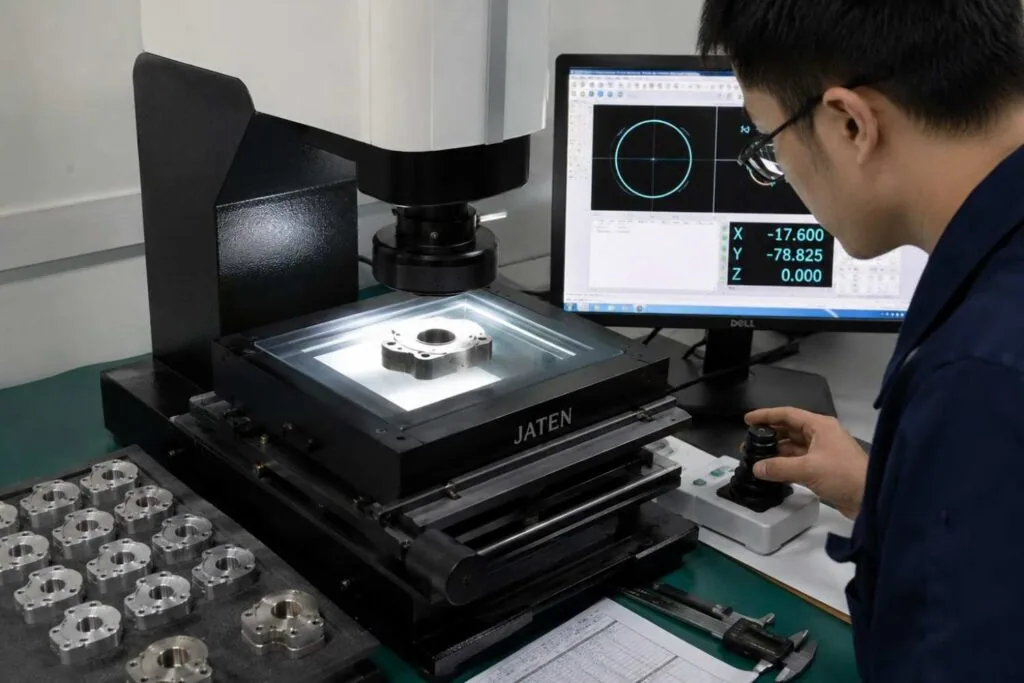
Low unit price stopped being enough to win a machining order some years ago. What decides it now is whether the supplier can produce evidence: a certificate whose scope actually covers your process, a traceable material chain, calibrated measurement, and inspection records that survive an audit. This page sets out the inspection standards and what […]
What Drives the Price of CNC Lathe Work
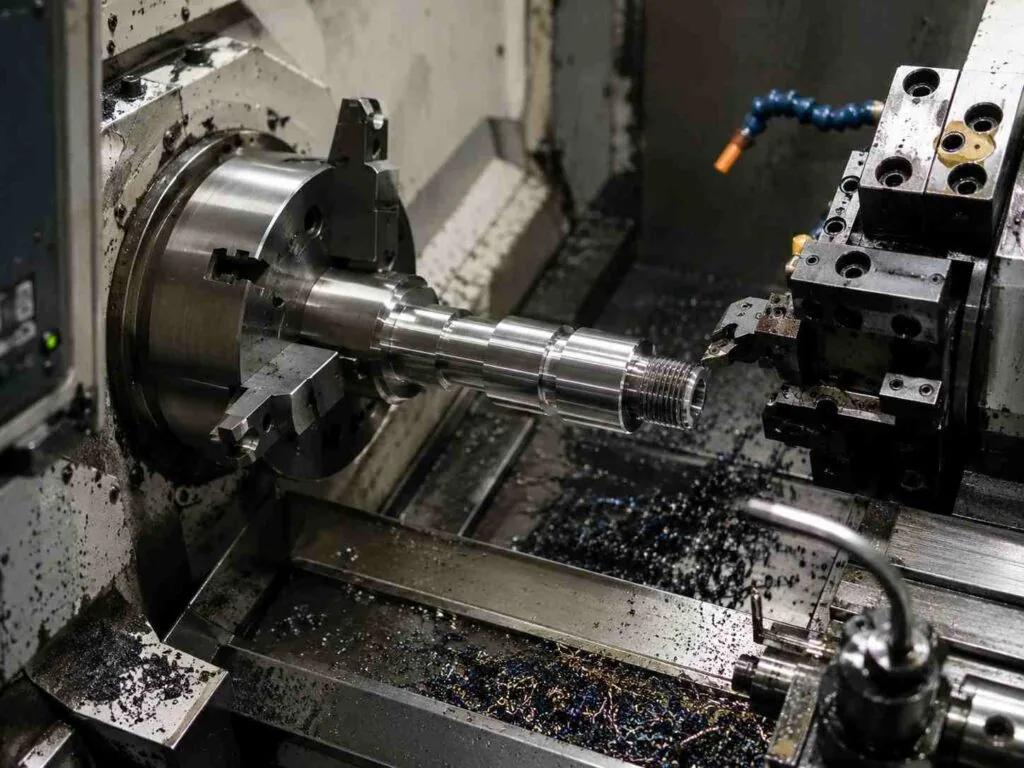
A turning quote is a stack of decisions, and most of them were made on your drawing rather than on the shop floor. This guide covers how CNC lathe services are actually priced, which specification choices move the number, where turning is the wrong process entirely, and what to ask a supplier before you put […]
How to Audit a 5-Axis Machining Supplier
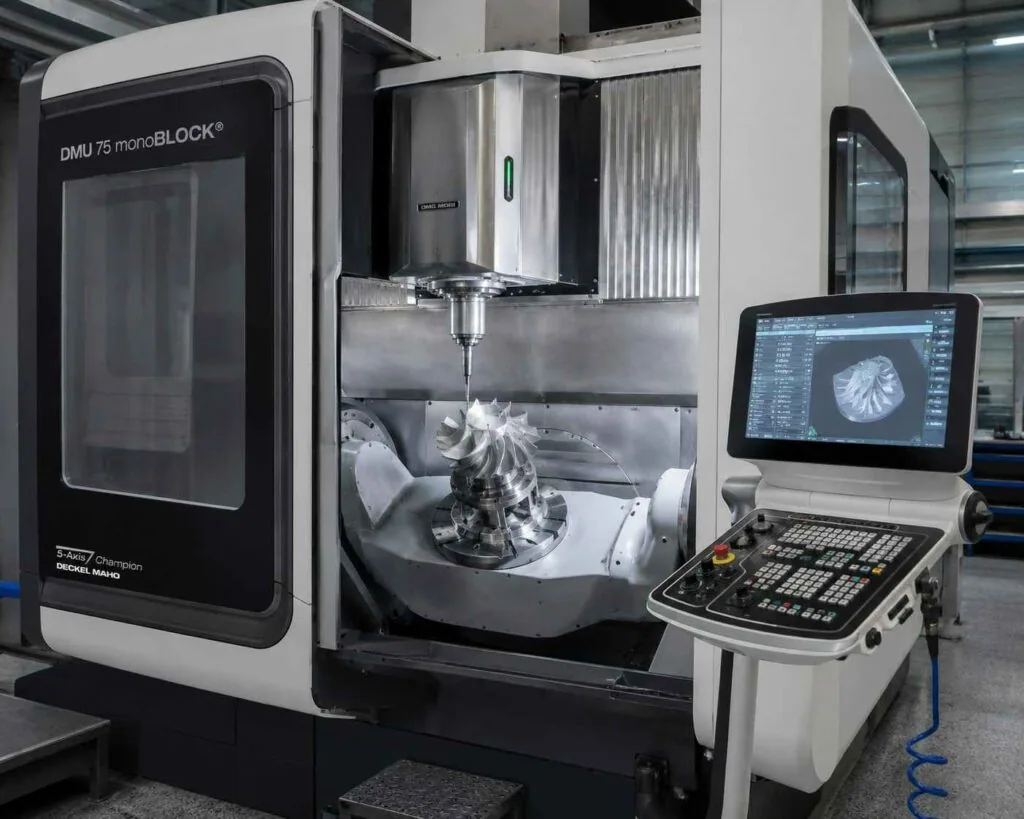
Two shops machine the same drawing on comparable machines, and one ships parts that hold spec while the other keeps drifting. The gap is rarely the hardware. It is how the run is planned, fixtured, measured and documented. A 5-axis machining audit of your CNC machining supplier replaces opinion with evidence you can ask for […]
Wire EDM vs Sinker EDM: Trade-Offs and Limits
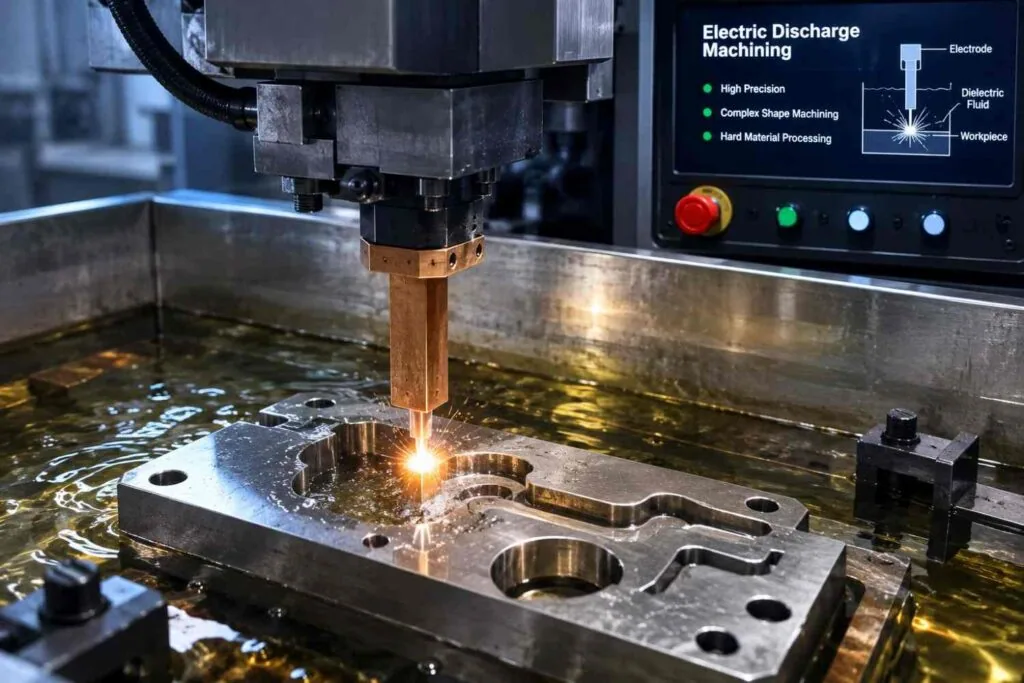
Some features cannot be produced with a rotating tool, however good the tool is. A hardened insert with a slot narrower than any cutter that would survive it. A die with a sharp internal corner. A profile in carbide that has already been heat treated. Those are wire EDM vs sinker EDM jobs. That is […]
How CNC Milled Parts Are Made: Step by Step
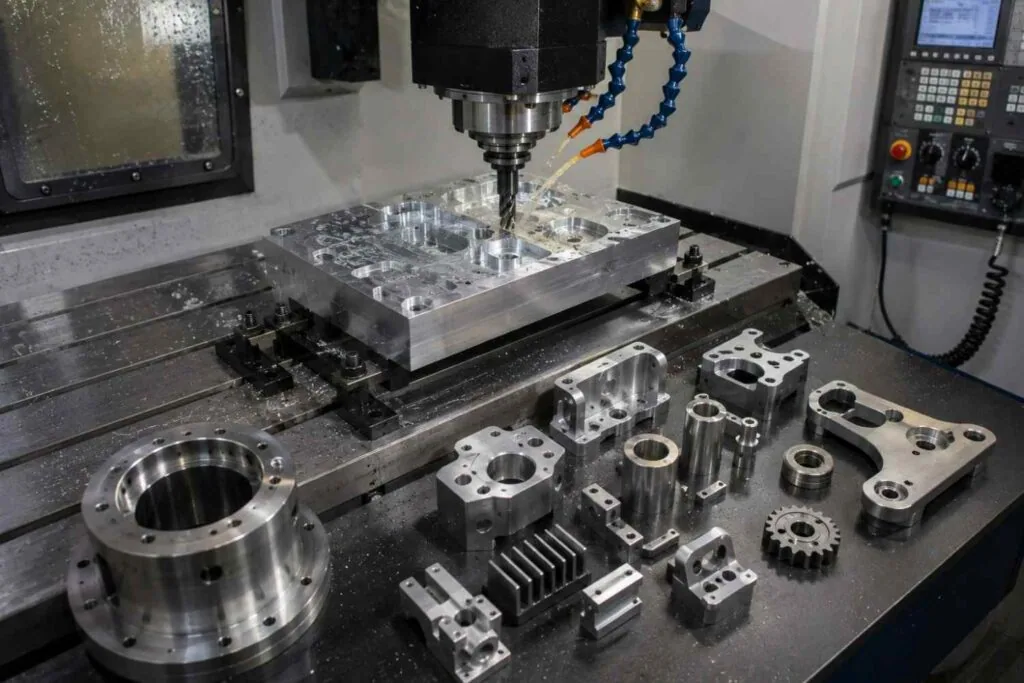
A CNC milled part starts as a set of numbers on a screen and has to end up as metal you can bolt, seal or certify. Most of what goes wrong in that handoff is decided before anyone switches a machine on: an ambiguous datum, a tolerance nobody needed, a material chosen for a property […]
Fiber vs CO2 Laser Cutting for Sheet Metal
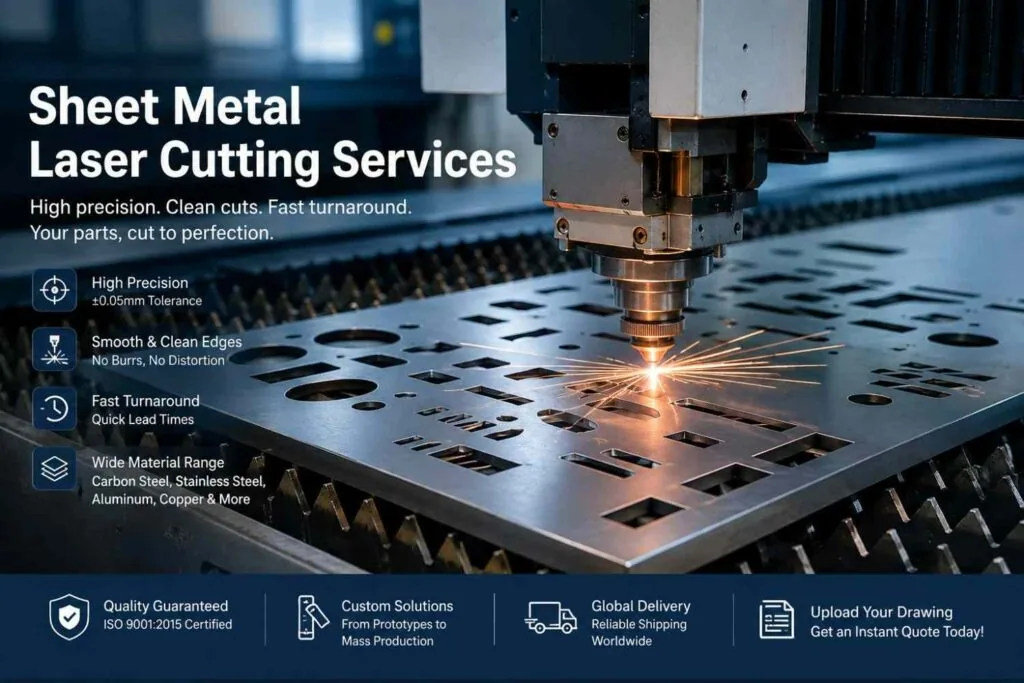
The way a sheet metal part gets cut decides most of what happens to it afterwards: the edge condition your finisher inherits, the hole positions your assembly line lives with, and the scrap you quietly pay for on every sheet. Choose badly between fiber vs CO2 laser cutting and you inherit deburring labor, fit-up problems […]
How Custom Machine Parts Are Made: Process, Tolerance, Cost
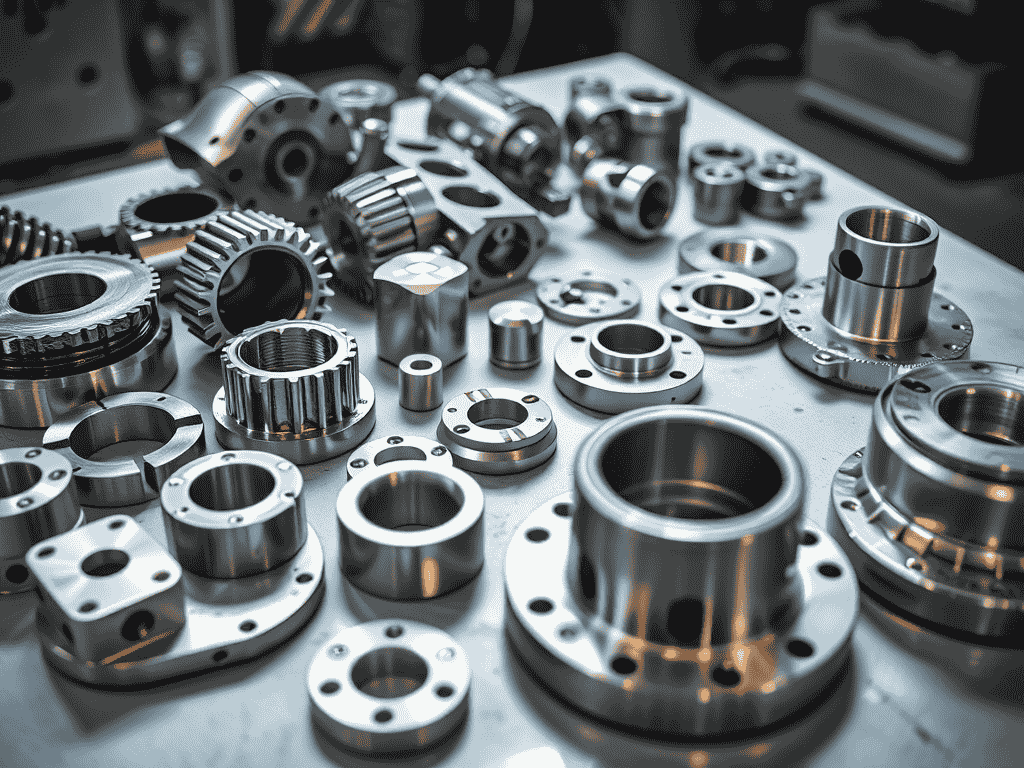
A custom machine part fails in one of three ways: it never fitted, it wore out faster than the design assumed, or the second batch was not the same as the first. All three are sourcing problems before they are engineering problems, and all three are decided by choices you make before the RFQ goes […]
Rapid Tooling and CNC Prototype Machining Compared
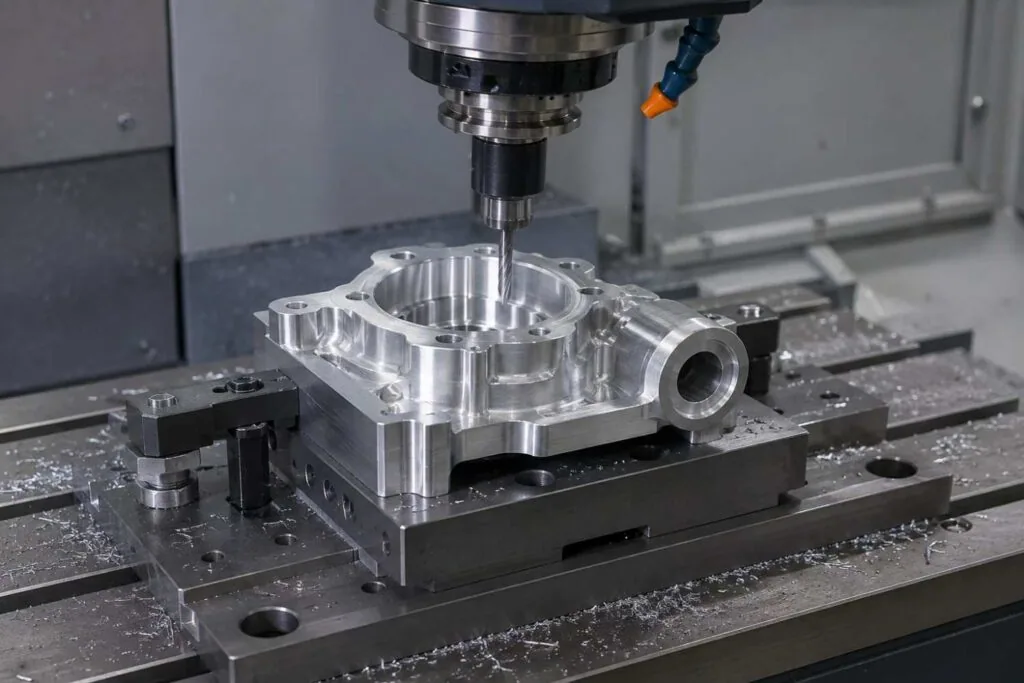
A prototype exists to answer a question. If you cannot say which question it answers, you are not prototyping, you are spending money on a model. The question decides everything else: the process, the material, the tolerance you pay for, and whether you need one part or a bridge tool that makes two hundred. This […]
Swiss Machined Pins: Precision Connector Pins
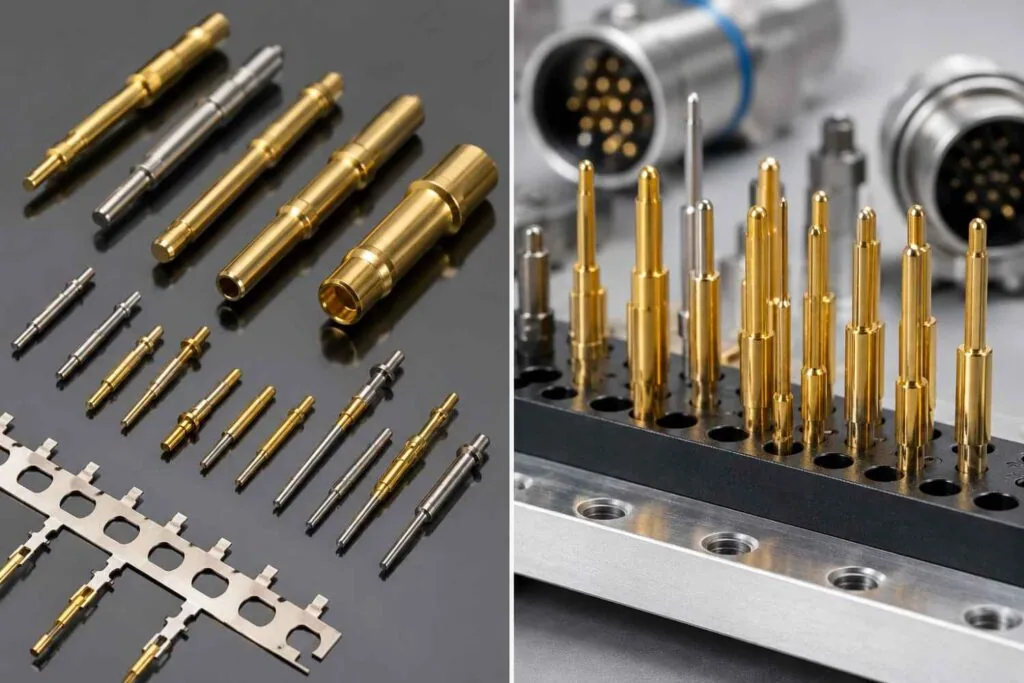
A connector pin is the cheapest part in the assembly and the one most likely to end the argument about why the assembly failed. Swiss machined pins have to hold a dimensional fit measured in microns, carry current without heating, survive a specified number of mating cycles, and do all of that after being handled, […]
How to Specify a Machined Connector Pin
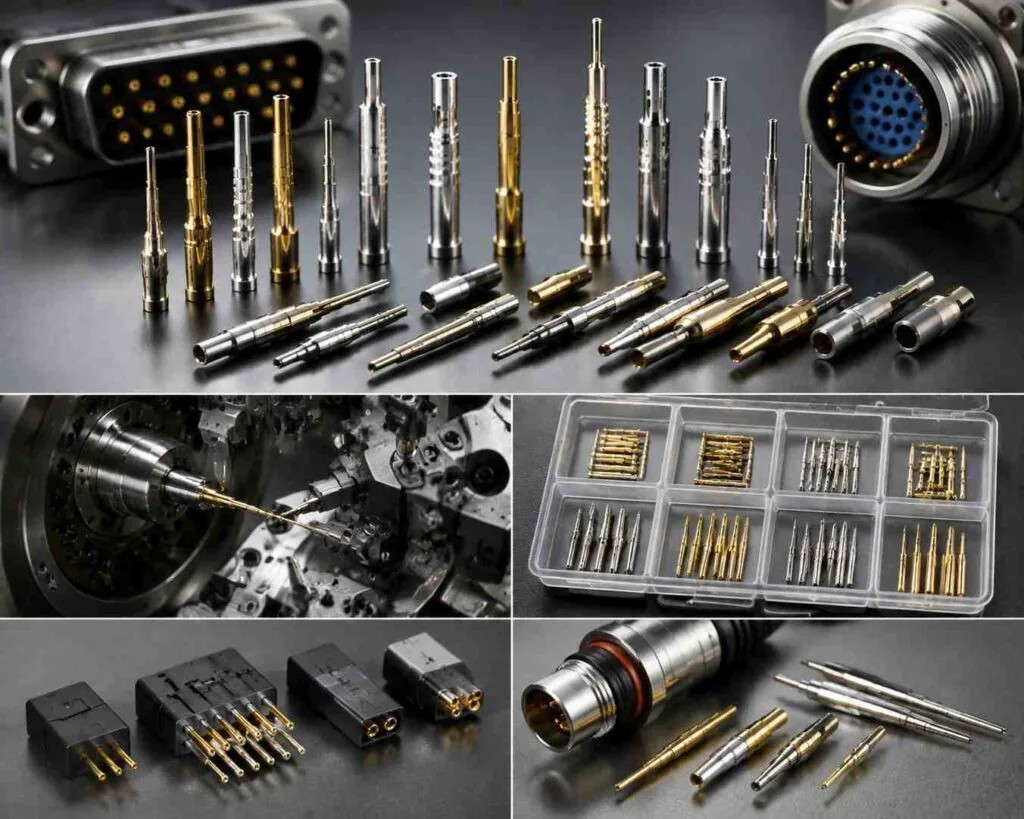
The connector is usually the first thing blamed when a system stops working, and inside the connector it is usually the pin. Contact pins carry current and signal through thousands of mating cycles, through thermal cycling and vibration, at diameters where a few microns changes the insertion force. When the application cannot tolerate an intermittent […]