







Thread Milling vs. Tapping: Choosing a Process for Accurate Internal Threads
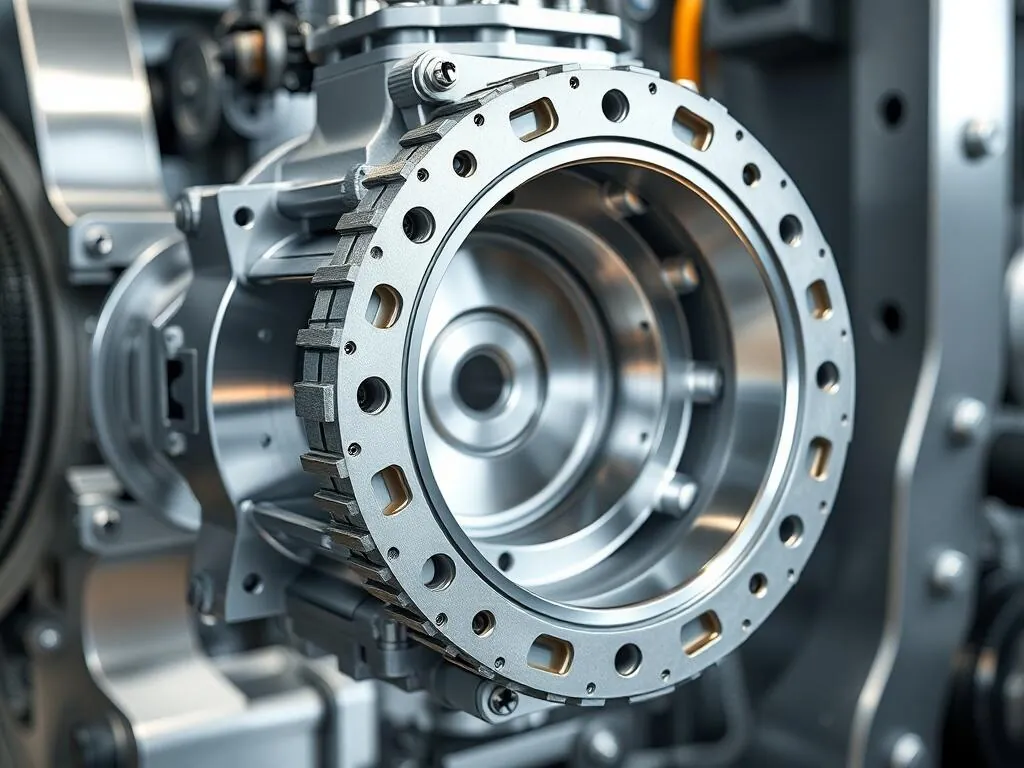
Compare internal thread-making routes through tool access, blind-hole clearance, chip handling, motion definitions and inspection. Includes clearly hypothetical, unit-checked examples.
Counterbore vs. Countersink: Fastener Seats, Drawing Callouts and Design Rules
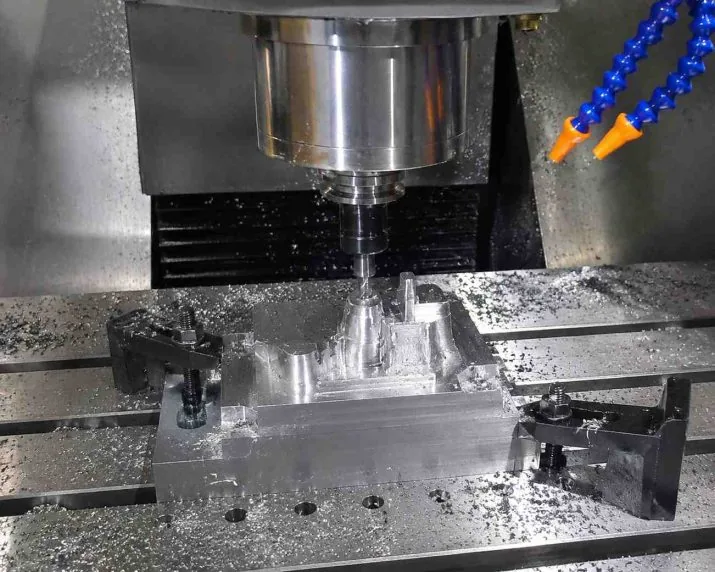
Compare fastener-seat geometry, drawing requirements and inspection planning with clearly disclosed worked examples.
Acetal vs. Nylon: Choosing a Plastic for Dimensionally Stable Machine Parts
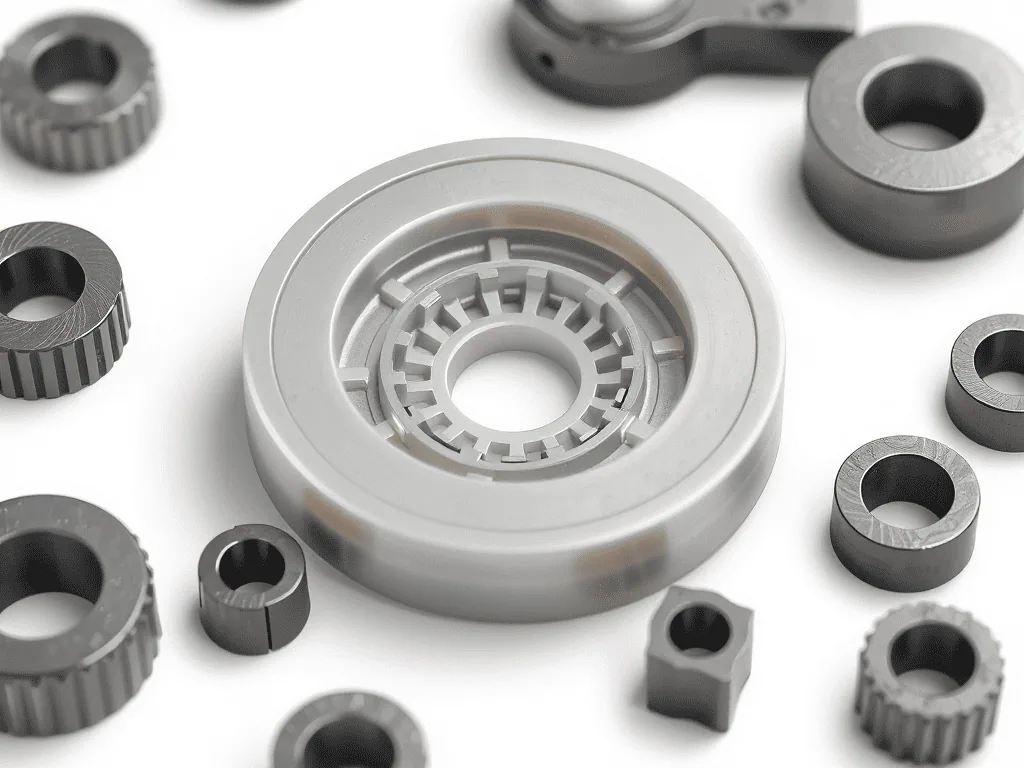
Compare acetal and nylon through moisture condition, thermal movement, exact grade selection and an evidence-based inspection plan. Includes a hypothetical unit-checked example.
304 vs. 316 Stainless Steel: Corrosion Resistance, Machinability and Material Selection
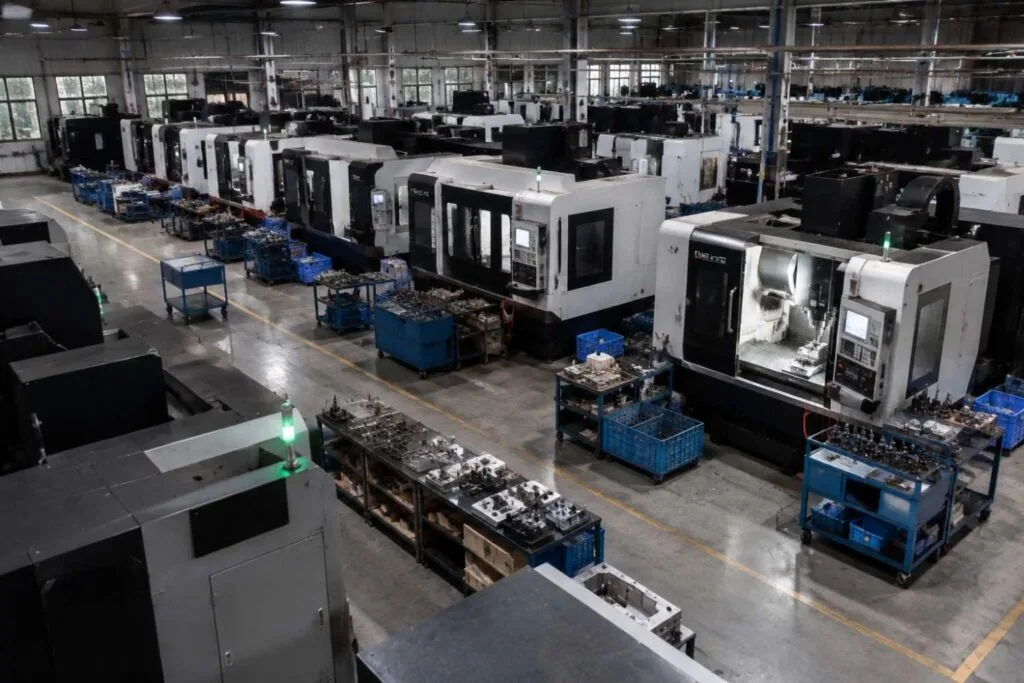
Compare 304 and 316 stainless steel using producer data, corrosion-exposure questions, machining considerations and a worked material-selection example.
6061 vs. 7075 Aluminum: Strength, Machinability and Choosing the Right Alloy
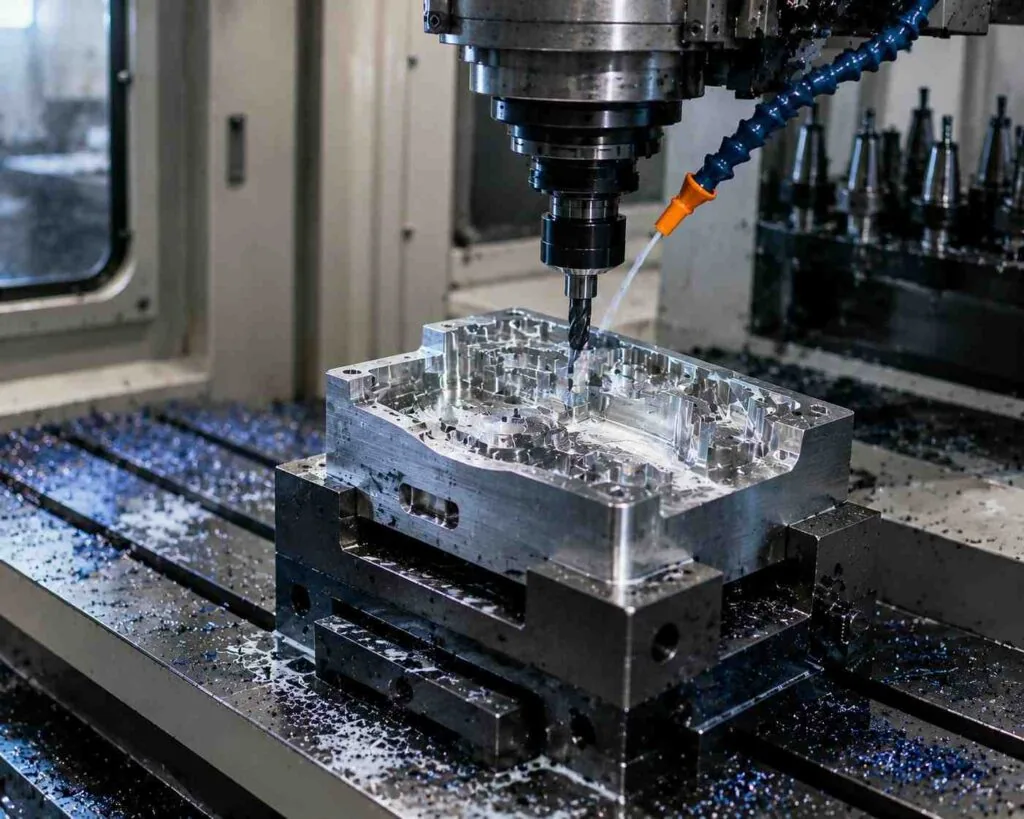
Compare 6061-T6/T651 and 7075-T6/T651 aluminum using producer data for strength, stiffness, corrosion, welding, machining and thermal performance.
GD&T Symbols Explained: How to Read Drawings for Precision Machined Parts
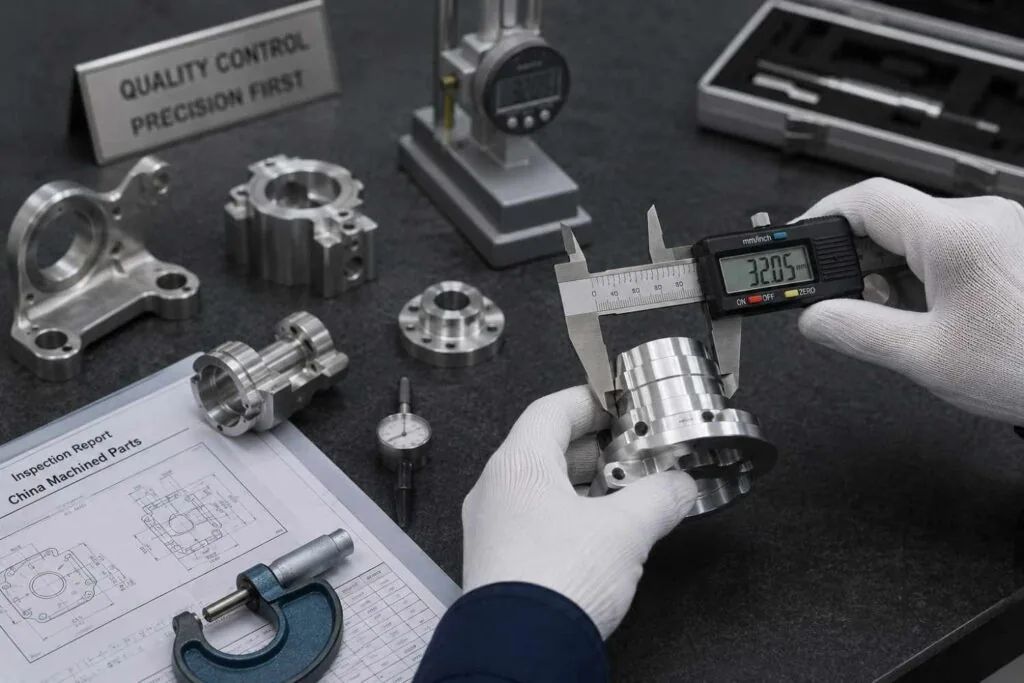
Read GD&T symbols, feature control frames and datum references, then check a hypothetical MMC position example and prepare a clear machining enquiry.
Engineering Change Control: 9 Essential Checks for CNC Parts
Engineering change control for CNC parts: 9 essential checks for drawing revisions, work in progress, supplier approval, inspection and safe production release.
Top 10 CNC Machining Companies in China (2026): A Buyer’s Shortlist
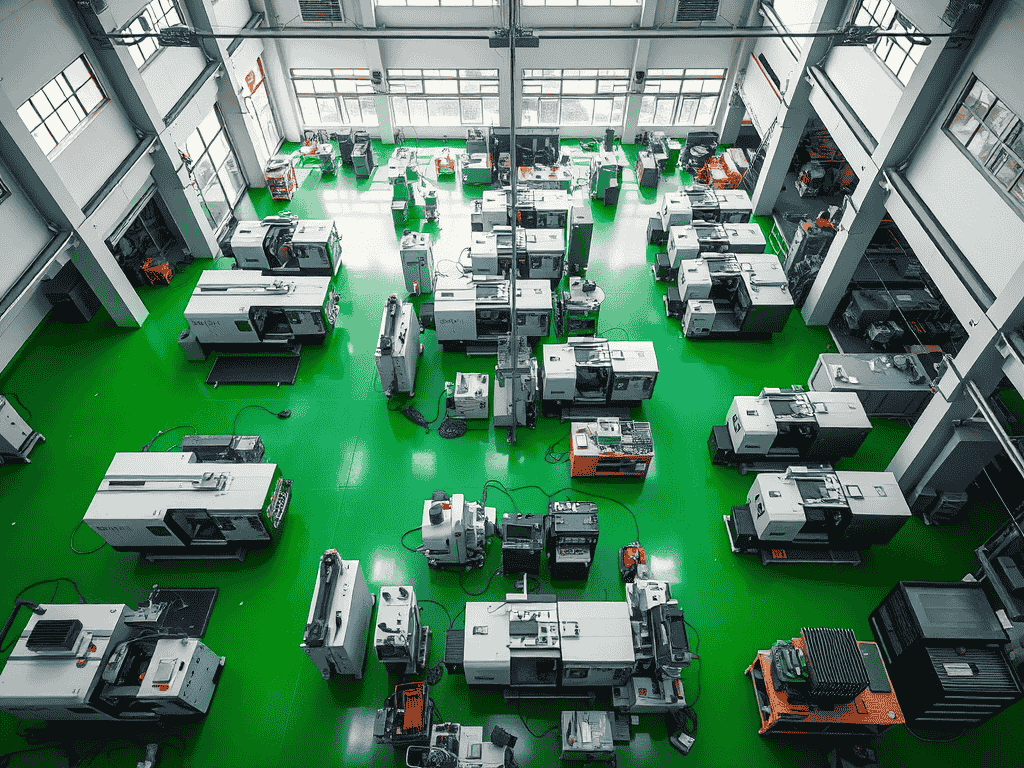
Ten Chinese CNC machining suppliers compared on certifications, tolerance, facility and lead time – every figure taken from their own websites, with the method and our own conflict of interest stated up front.
How 5-Axis Machining Works: 3, 4 and 5-Axis Compared
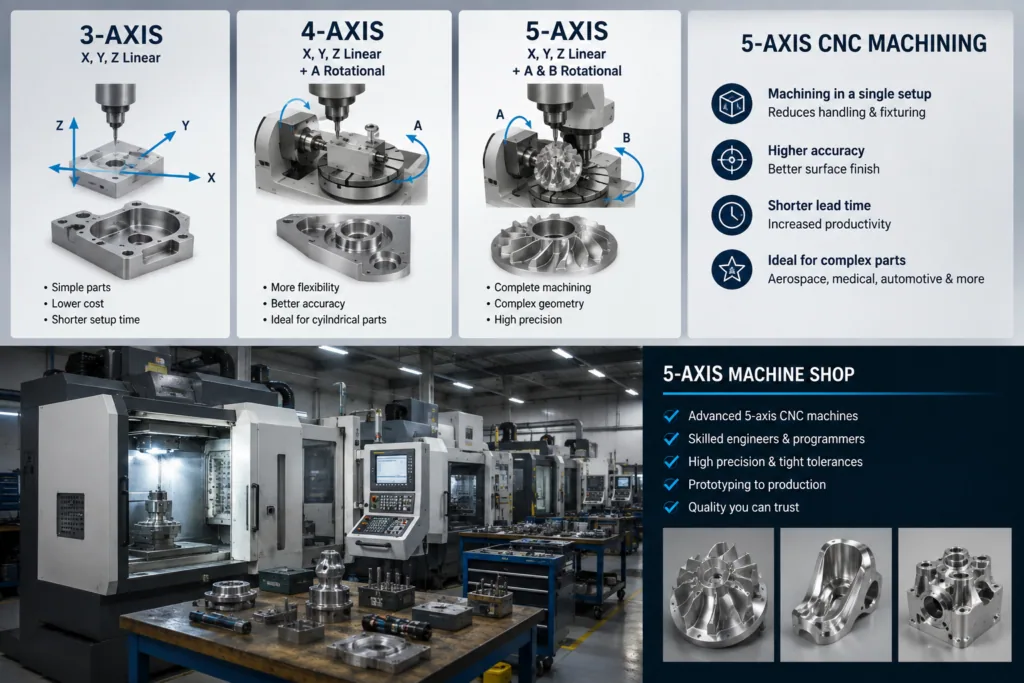
Adding rotary axes to a milling machine does not make it more accurate. It makes it possible to hold accuracy across features that would otherwise need three or four separate setups, and that is a different claim. This page explains how 5-axis machining works: what actually changes as you move from 3-axis to 4-axis to […]
Wire EDM: How It Works and What It Can Hold
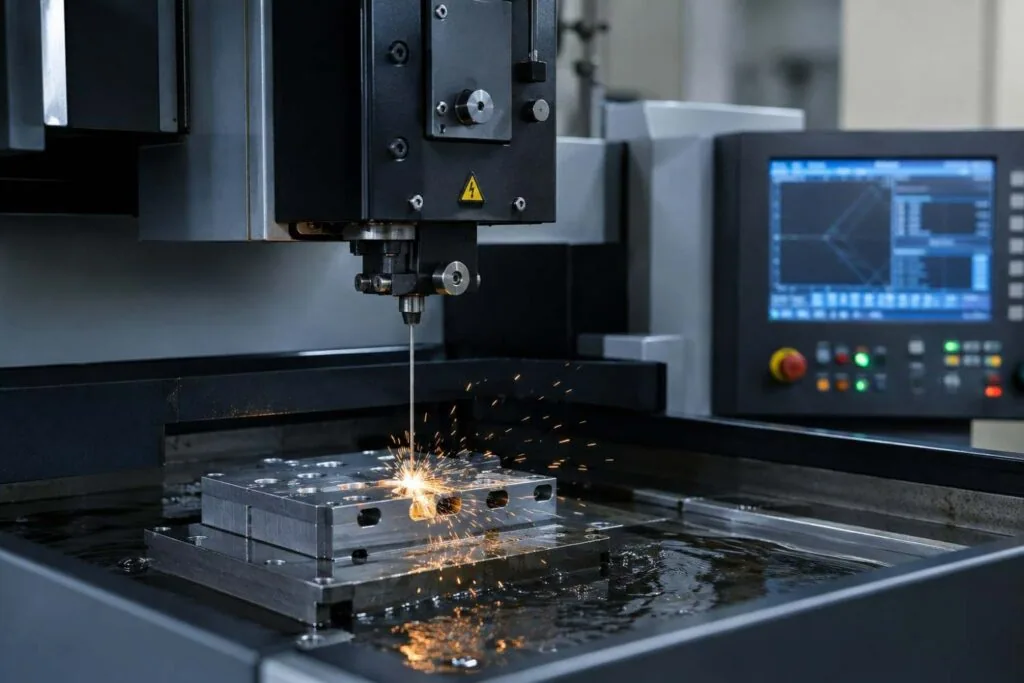
Wire EDM cuts by eroding metal with controlled electrical sparks rather than by pushing a tool through it. Because there is no cutting force, hardness stops being a constraint and geometry that would snap an end mill becomes routine. It is also slow, leaves a modified surface layer, and cannot cut anything that does not […]