








Quality Control When Outsourcing CNC Machining to China

Outsourcing CNC machining to China is a controls problem, not a trust problem. Parts rarely arrive wrong because a supplier set out to cheat you. They arrive wrong because a drawing was ambiguous, an inspection method was never agreed, a material was substituted without written approval, or nobody defined what evidence had to travel with […]
How to Choose a Tight Tolerance CNC Machining Vendor
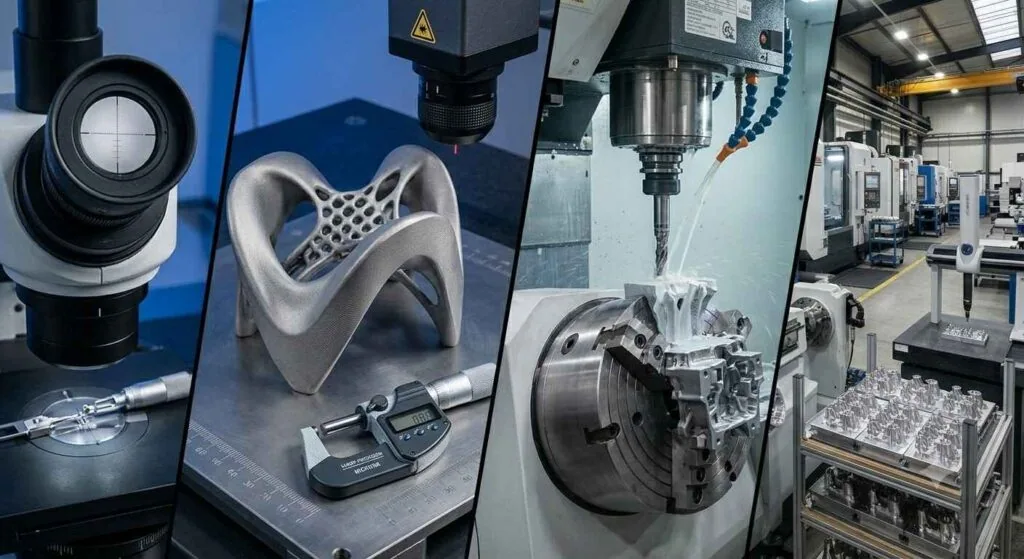
A tight tolerance is not a promise a vendor makes. It is a process they either have or do not have, and the difference shows up on part 300, not on the first article. This guide covers what tight tolerance CNC machining actually costs, which processes hold which numbers, how to write the requirement onto […]
Streamlining the Transition from Rapid Metal Prototyping to High-Volume CNC Production
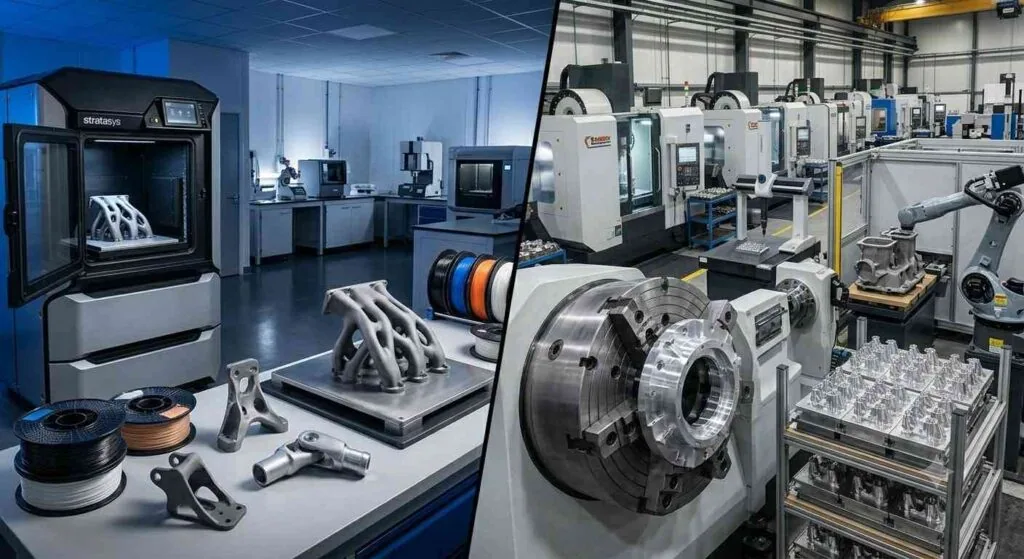
The prototype worked. That is the problem. A prototype proves the design; it does not prove the process that will make ten thousand of them. The prototype-to-production transition, from rapid metal prototyping to high-volume CNC production, fails in predictable places, and almost all of them are decided before the first production part is cut. This […]
Optimizing Production Costs in Custom Sheet Metal Fabrication Services
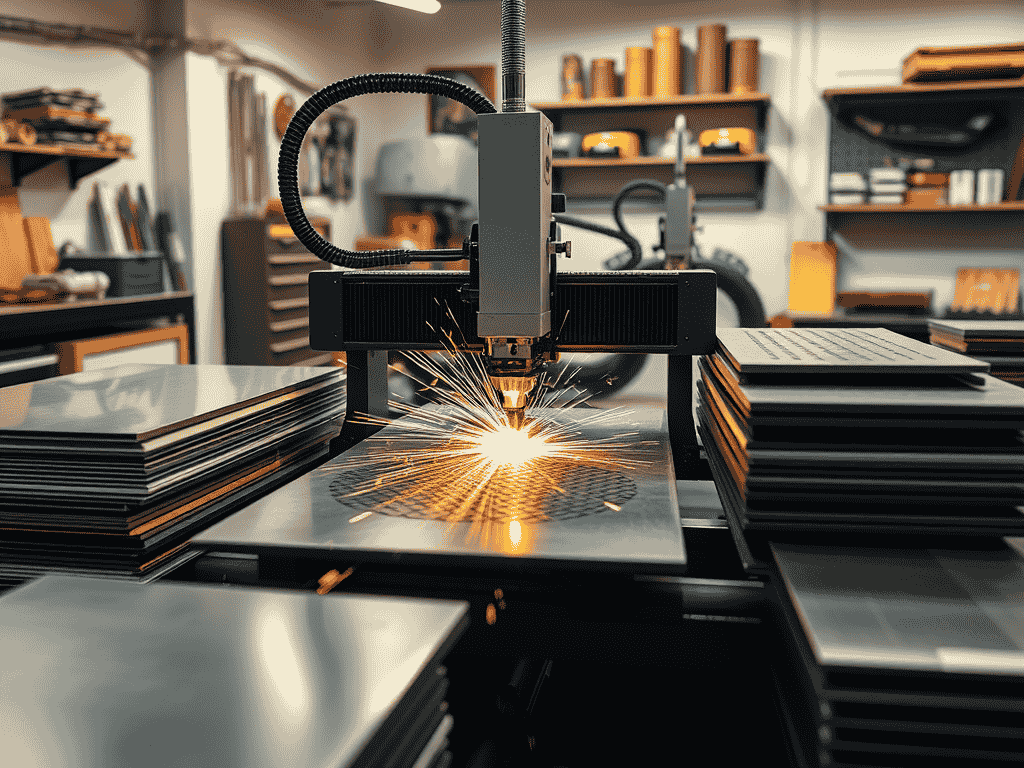
Most programs to cut sheet metal fabrication cost go after the quoted price per part. That is the wrong end of the problem. The price is largely set before the request for quotation leaves your building, by the bend count, the gauge chosen, the tolerances written on the drawing and the finish specified on faces […]
Full Traceability in CNC Machining: Why It Matters for Quality
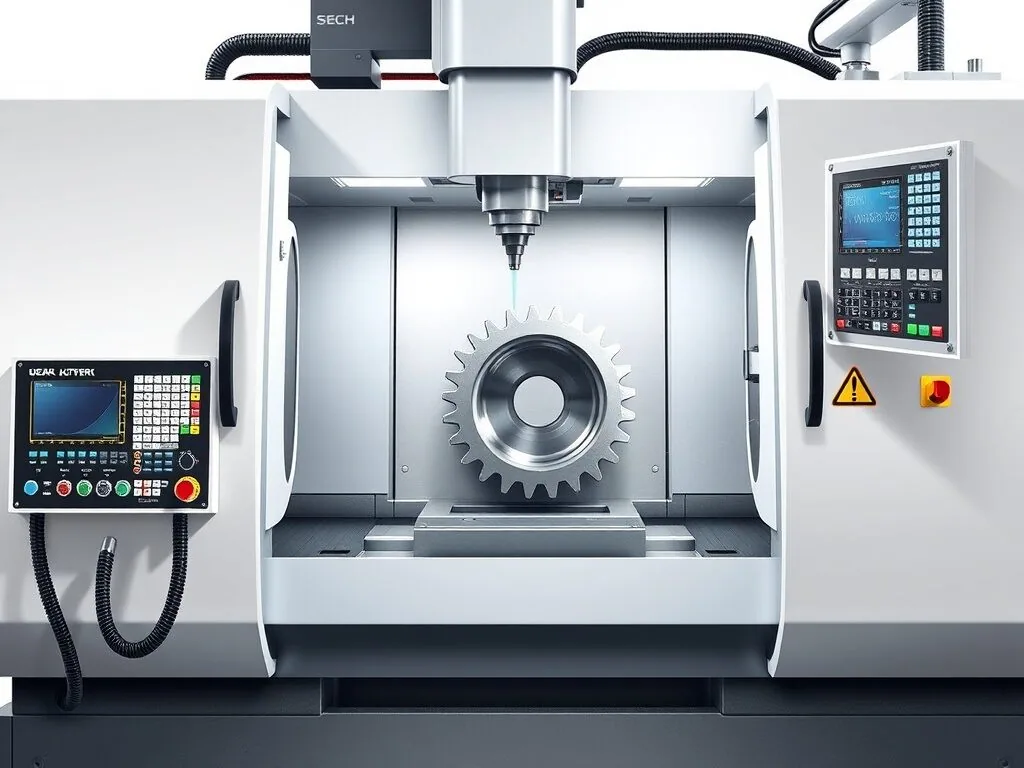
Traceability in CNC machining is the record that lets you answer one question under pressure: which parts are affected? A supplier who cannot answer it quarantines a production month. A supplier who can quarantines a heat number. This guide covers what traceability actually consists of in CNC machining, what each quality standard requires, why a […]
CNC Machining RFQ Evaluation: An Executive Guide
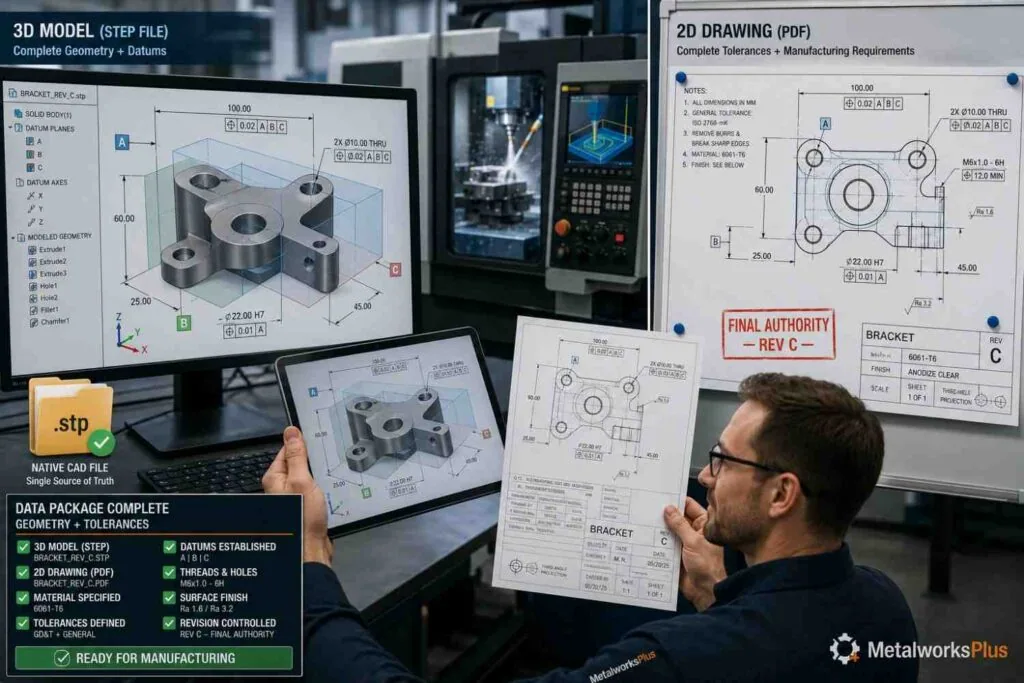
Key takeaways A complete CNC machining RFQ package carries 2D drawings with GD&T to ASME Y14.5 or ISO 1101, a 3D model in STEP or IGES, material grade and condition, surface finish in Ra, the certificates you require, and the quantity ladder. Ask suppliers for process capability data on the features you actually care about, […]
How to Verify CNC Part Quality Before Shipping: Buyer Checklist
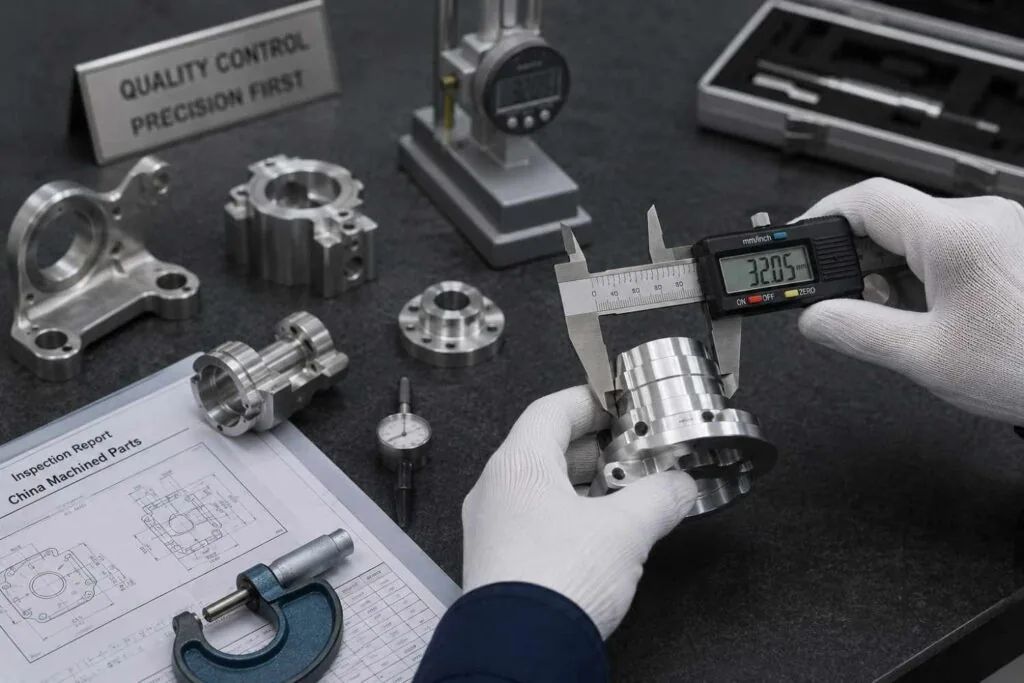
A CNC part that fails inspection on your receiving dock has already cost you the freight, the customs entry and a gap in the build schedule. Verifying it before it leaves the machine shop costs a measurement and an email. This checklist shows how to verify CNC part quality before shipping: what to ask for, […]
CNC Defect Rate Benchmarks: How Top Shops Reach 99.7%
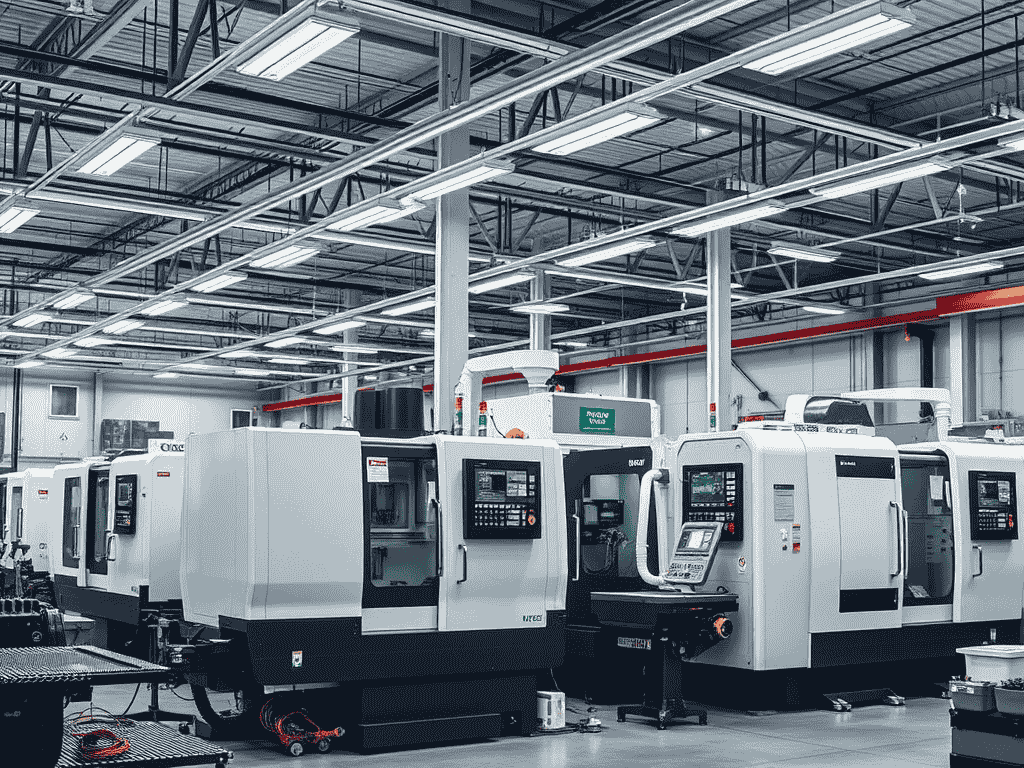
A supplier quoting “99.7% quality” is quoting a number that sounds like perfection and behaves like three failures per thousand parts. On a 50,000-piece annual programme that is 150 nonconforming parts reaching your goods-in. Whether that is excellent or unacceptable depends on what the part does, what the contract says, and how the number was […]
ISO 9001 vs AS9100 vs IATF 16949 in CNC machining
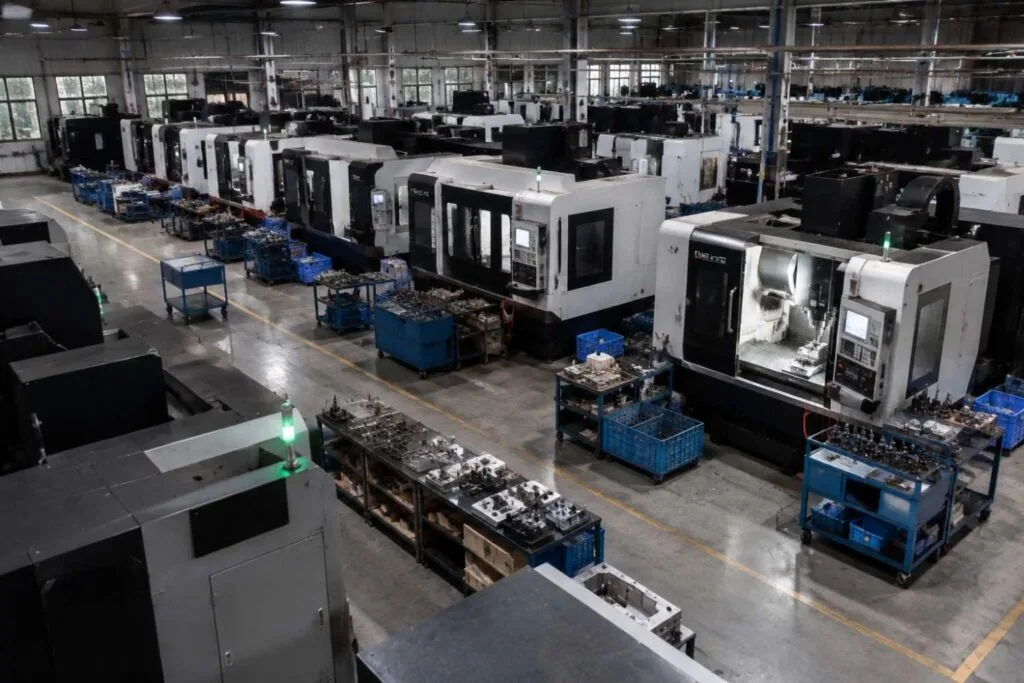
A certificate number on a quotation is a compressed statement about how a shop is organised — what it documents, who audits it, how often, and what happens when something goes wrong. The three schemes a machining buyer meets most often share a core and diverge sharply in what they oblige a shop to prove. […]
CNC Tool Wear by Material Type: Cost Impact Analysis

Two quotations for the same geometry can differ by a factor of three because of one line on the drawing: the material callout. Most of that difference is not the price of the billet. It is the cutting speed the material permits, the rate at which it destroys an edge, and the machine hours that […]