







PEEK and Engineering Plastics CNC Machining Cost
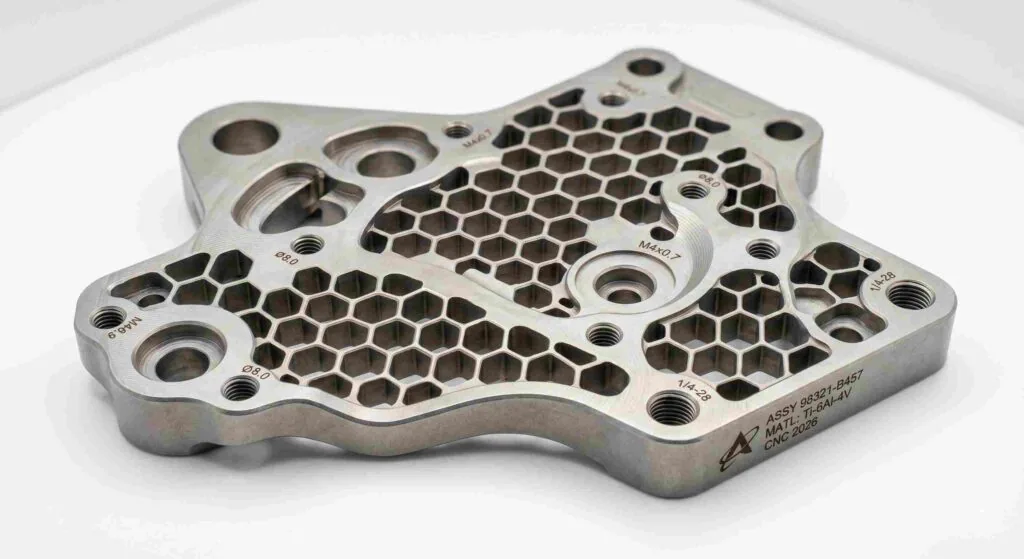
Engineering polymers get specified for three reasons metals cannot cover: they do not corrode, they do not conduct, and they weigh about a fifth of steel. PEEK sits at the top of that family, and it is also the one most often specified when a cheaper polymer would have done the job. This article covers […]
Titanium CNC Machining Cost: Key Factors Buyers Should Know
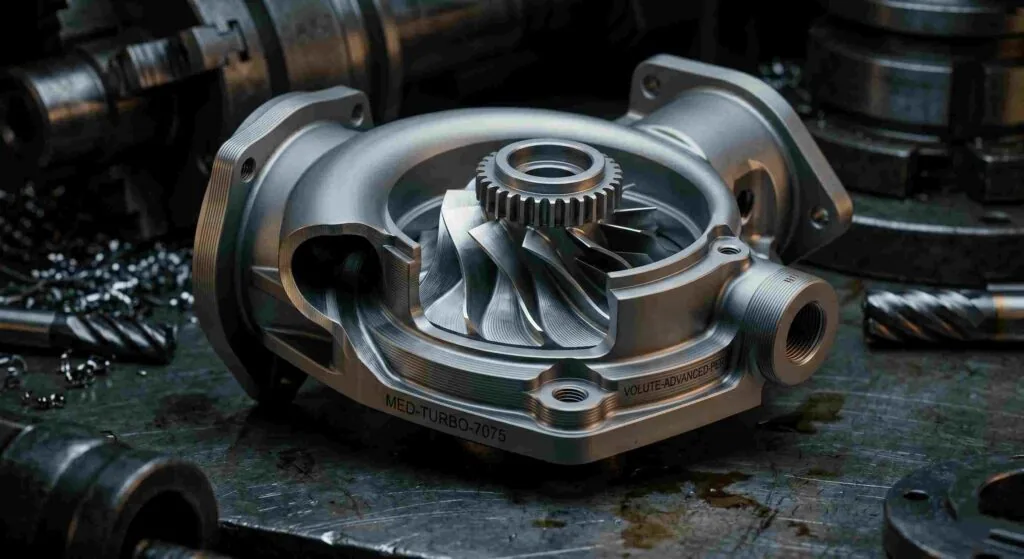
Buyers who have only sourced aluminium and steel are usually surprised twice by a titanium quotation: once by the number, and again by how little of it is the machining. On a typical milled titanium part, the metal that ends up as swarf costs more than the spindle hours spent removing it. This article breaks […]
Aluminum vs Stainless Steel CNC Machining: Cost Guide
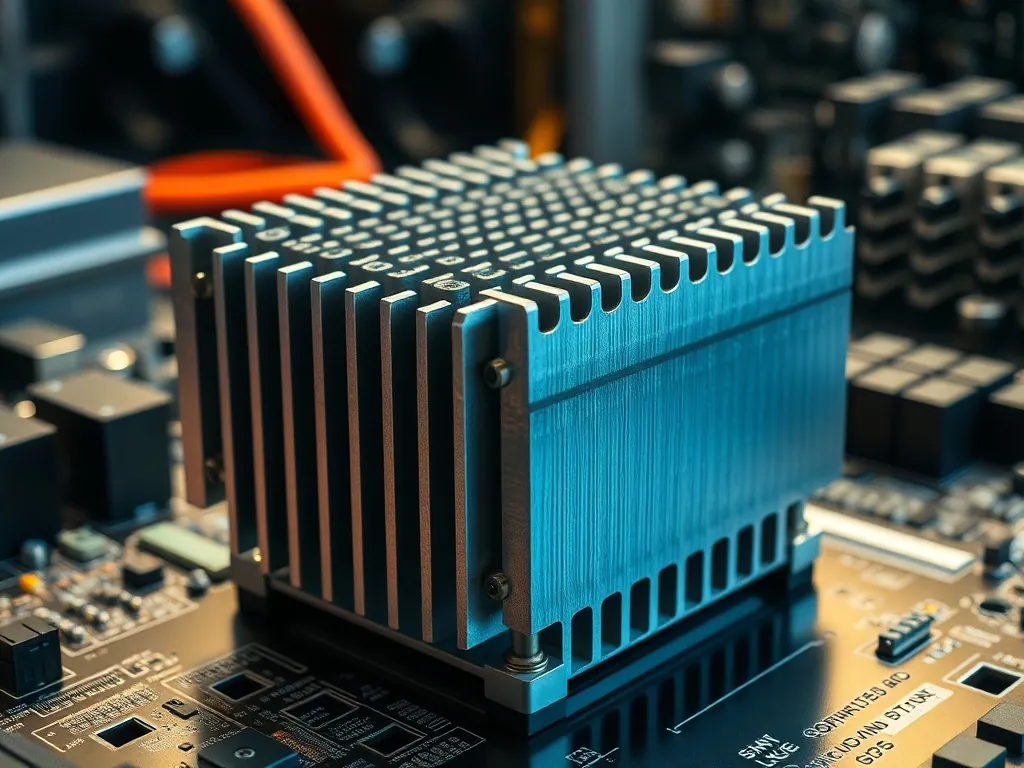
Aluminium and stainless steel account for most machined metal parts, and the aluminium vs stainless steel choice is usually made on strength alone. That is the expensive way to decide: the material also sets cutting speed, tool consumption, the number of setups a thin wall survives and the finishing that follows the last cut. This […]
First Article Inspection (FAI) in CNC Machining
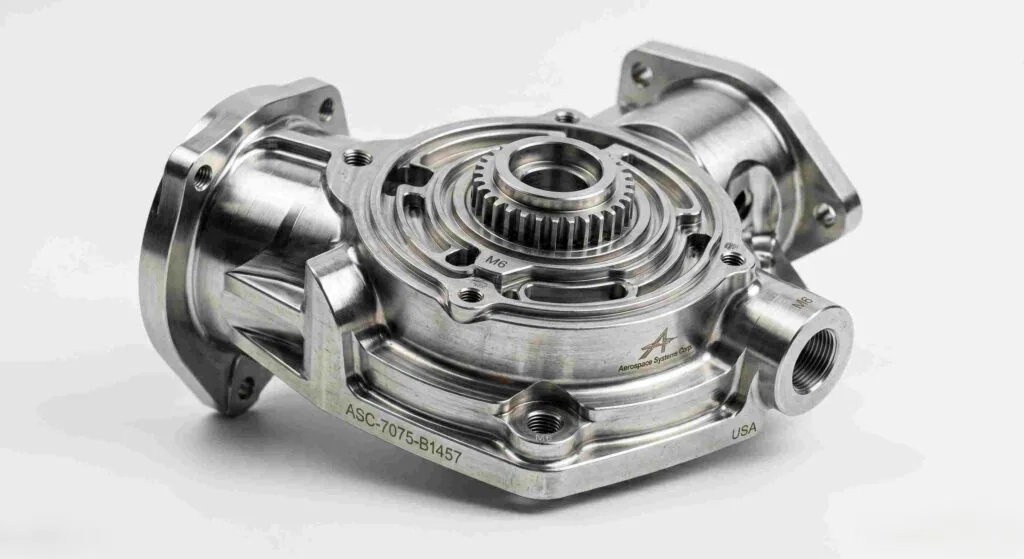
A first article inspection is the gate between “we think the process is right” and “we have proved it, feature by feature, before the lot runs”. In aerospace it is not a courtesy: AS9102 makes it a contractual deliverable with a defined form set, and Revision C has been in force since June 2023. This […]
Low-Volume CNC Machining: Cost vs Speed Trade-Off Guide
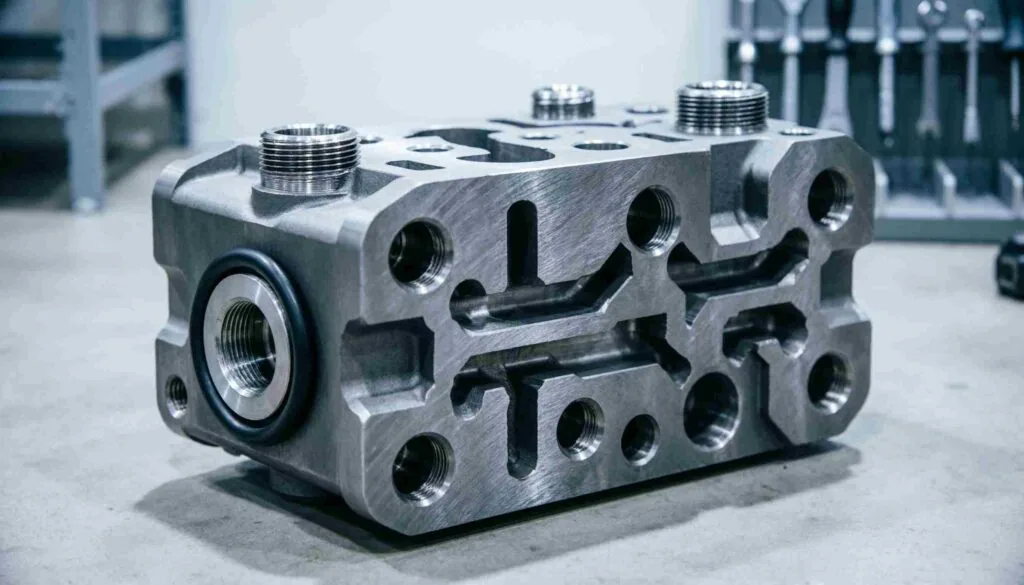
Low volume CNC machining is the band between “one part to see if it fits” and “a quantity large enough to justify a mould”. In that band the arithmetic is different: the one-time work of programming, fixturing and proving the first part is spread over very few pieces, so unit cost is dominated by something […]
DFM in CNC Machining: What Actually Cuts Cost
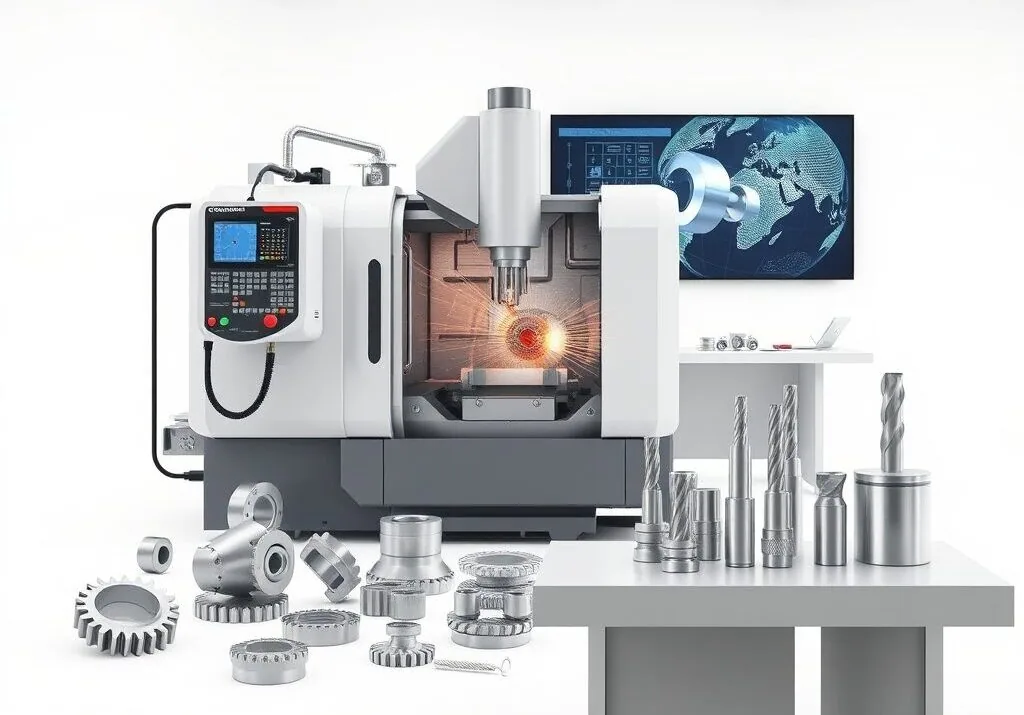
Design for manufacturability means making the decisions a machinist would ask for before the drawing is released, not after the first quote comes back. DFM in CNC machining is narrow and practical: a short list of geometry, tolerance, material and finish choices that change how long a part takes to cut, how many setups it […]
Scaling CNC Production: From 1 to 1,000,000 Parts

Scaling CNC production is not the same job repeated more times. Between the first proving part and a released annual volume, what governs the work changes three times over: first setup amortisation, then cycle time and automation, then statistical capability and documented control. The failure mode is treating all three phases as one. This guide […]
Prototype vs Mass Production in CNC: Cost Curve Explained
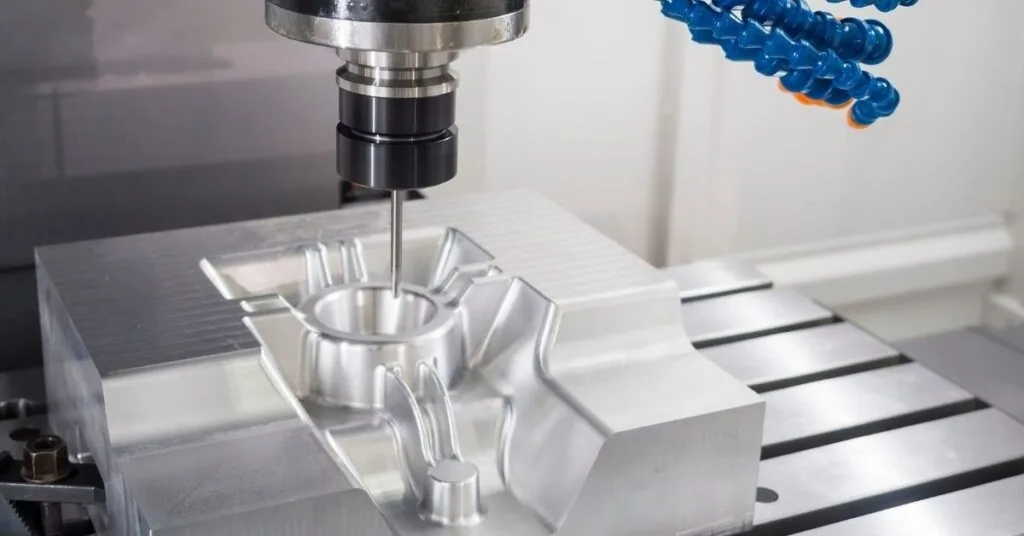
A prototype and a production part can come off the same machine, in the same material, against the same drawing, and still be priced an order of magnitude apart. Nothing about the part changed. What changed is how many times the fixed cost of getting ready to cut gets divided. Reading a quote for prototype […]
Rapid CNC Prototyping: 3-5 Day Lead Time and Cost Breakdown
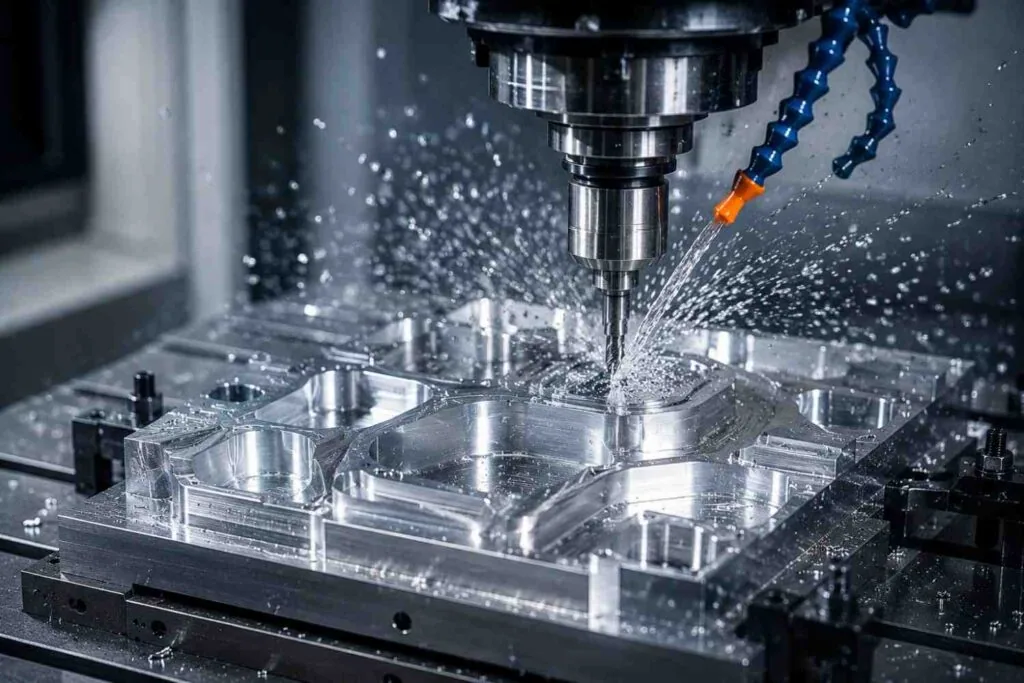
A machined prototype that arrives in three to five business days is not the product of a faster spindle. The cutting itself usually takes minutes. A rapid CNC prototyping lead time is won or lost in the hours around the cutting — quoting, design review, stock availability, programming, fixture preparation, inspection and the courier cut-off […]
CMM Inspection in CNC Machining: What Buyers Should Expect
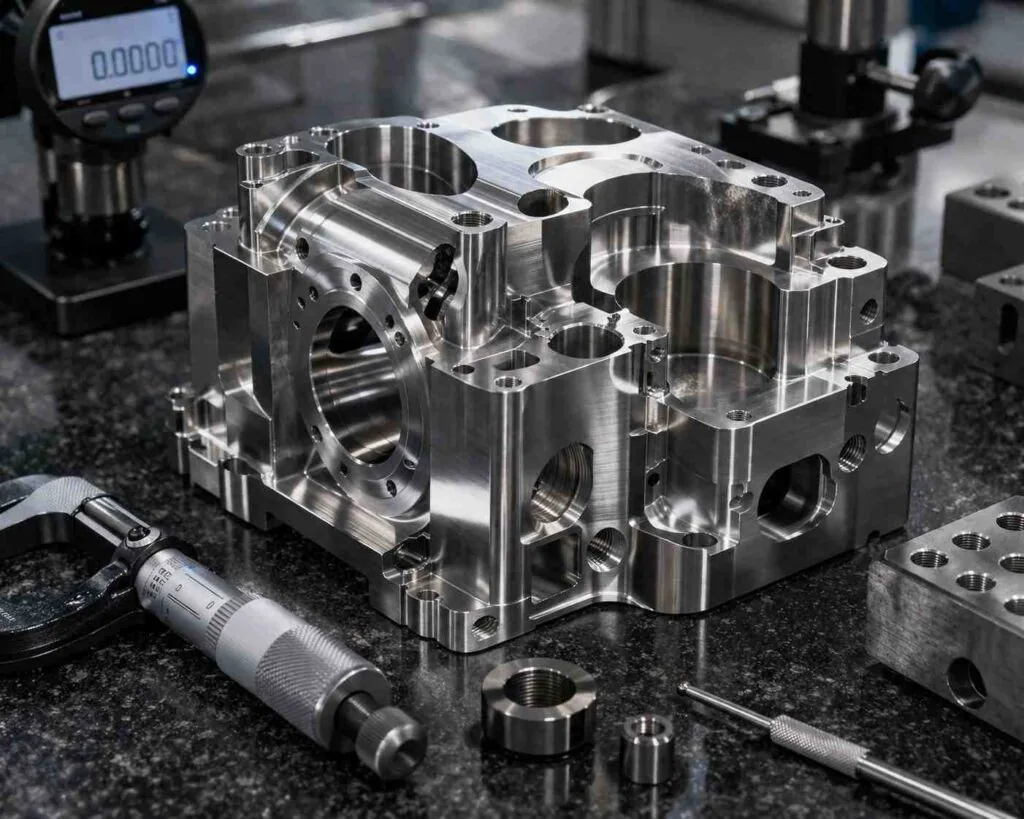
A coordinate measuring machine does not photograph a part or compare it to a master. It touches a finite number of points, fits mathematical geometry to those points, builds a coordinate system from the datums on your drawing, and reports where the fitted geometry sits relative to the tolerance. Every argument a buyer ever has […]