








How Material Selection Impacts CNC Machining Cost
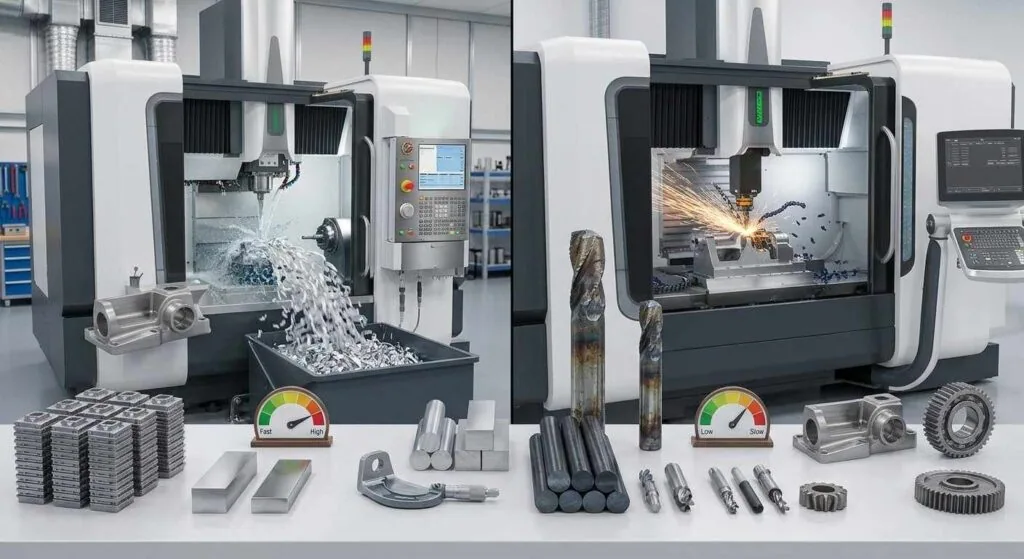
Key takeaways CNC material selection is the earliest decision on a machined part and it constrains everything after it. This guide is for the engineer turning a functional requirement into a grade designation on a drawing: what each property buys you, which grade covers which application, and where the obvious answer is wrong. How do […]
CNC Surface Finish Chart: Ra Values by Process
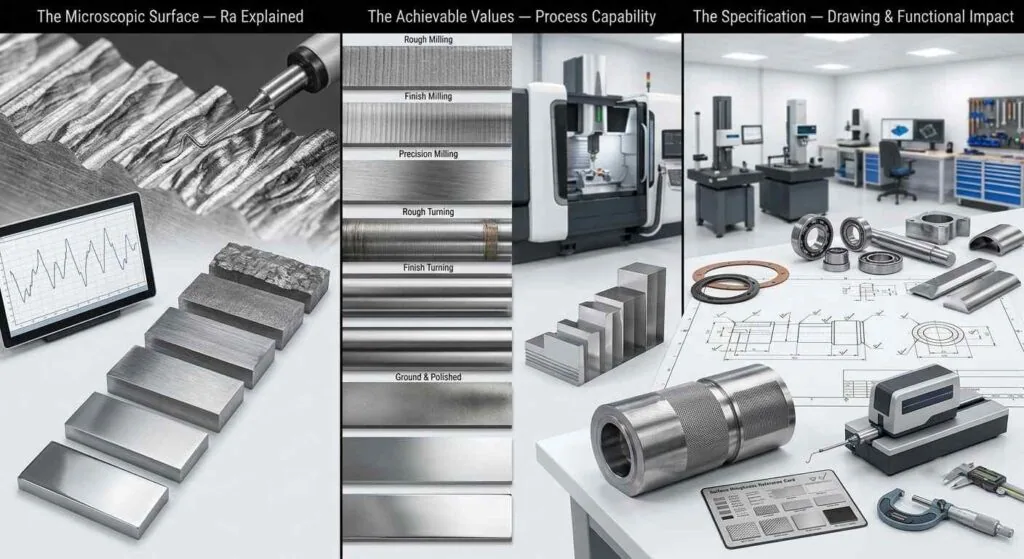
Every machining process leaves a characteristic roughness, and no amount of care moves a process far outside its band. That is what makes a CNC surface finish chart useful: it tells you which process you are implicitly buying when you write an Ra value on a drawing, and whether that value is reachable in one […]
When Complex Geometry Requires Multi-Axis Machining
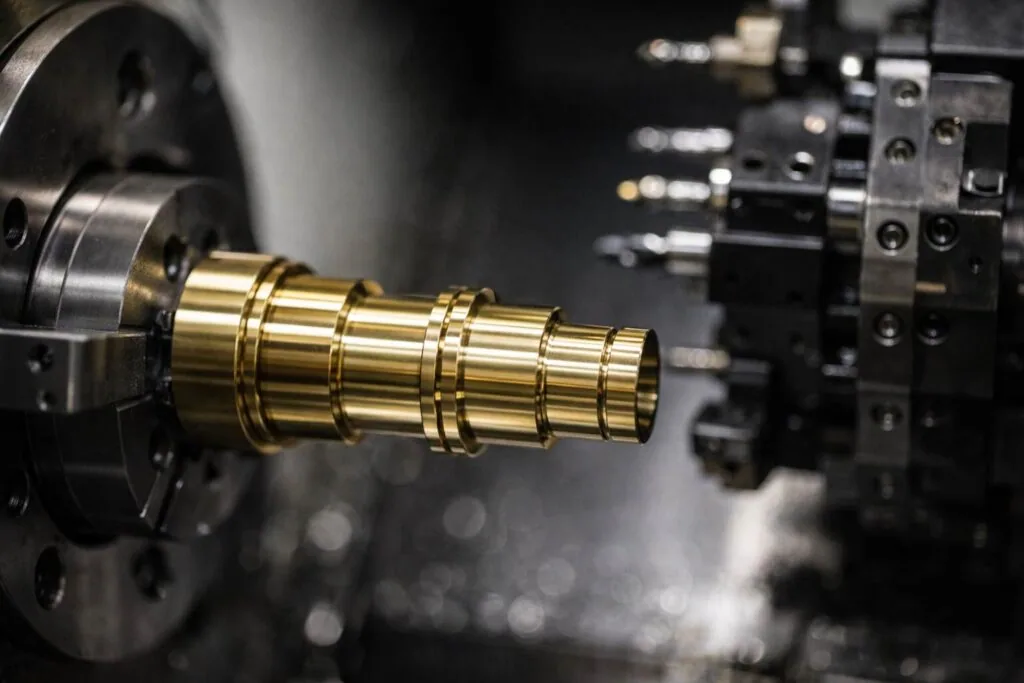
A part does not become a multi-axis job because it looks complicated on screen. It becomes one when a straight tool axis cannot reach a surface, or reaches it only at a cutting speed that ruins the finish, or reaches it only by putting the part back in a fixture again. Those are three failures […]
±0.005 mm Tolerance: What It Means in Production
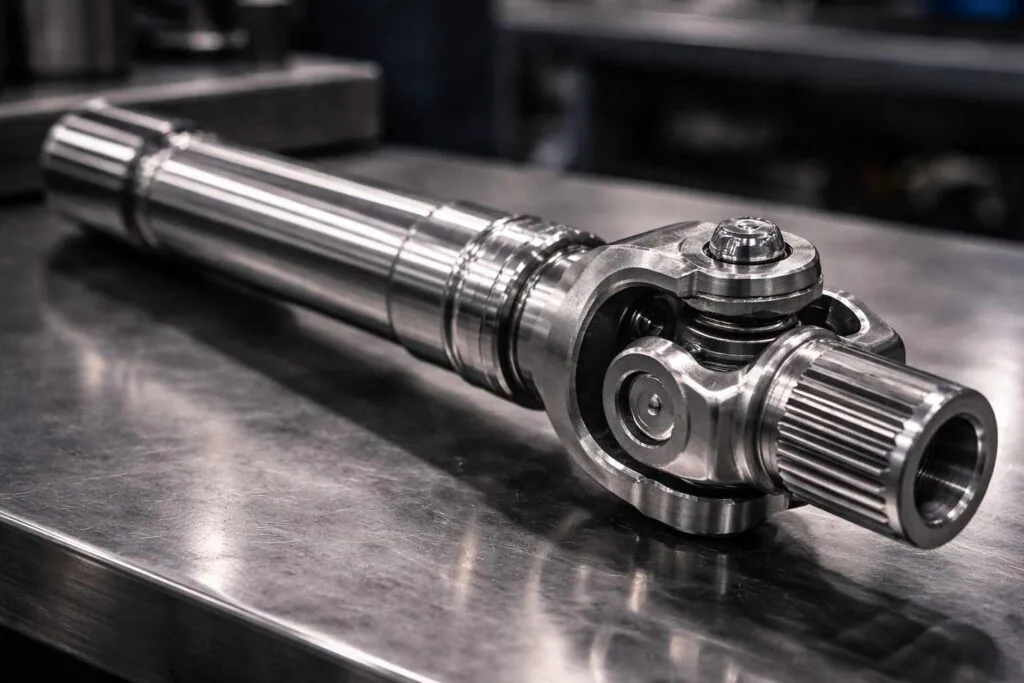
A 0.005 mm tolerance written as ±0.005 mm is a 0.010 mm total zone — ten micrometres for everything: machine positioning, tool wear, workholding, thermal growth and the uncertainty of the instrument that proves the part good. Most of the difficulty at this band is not in cutting metal. It is in the fact that […]
Tolerance Standards for Precision Machined Parts
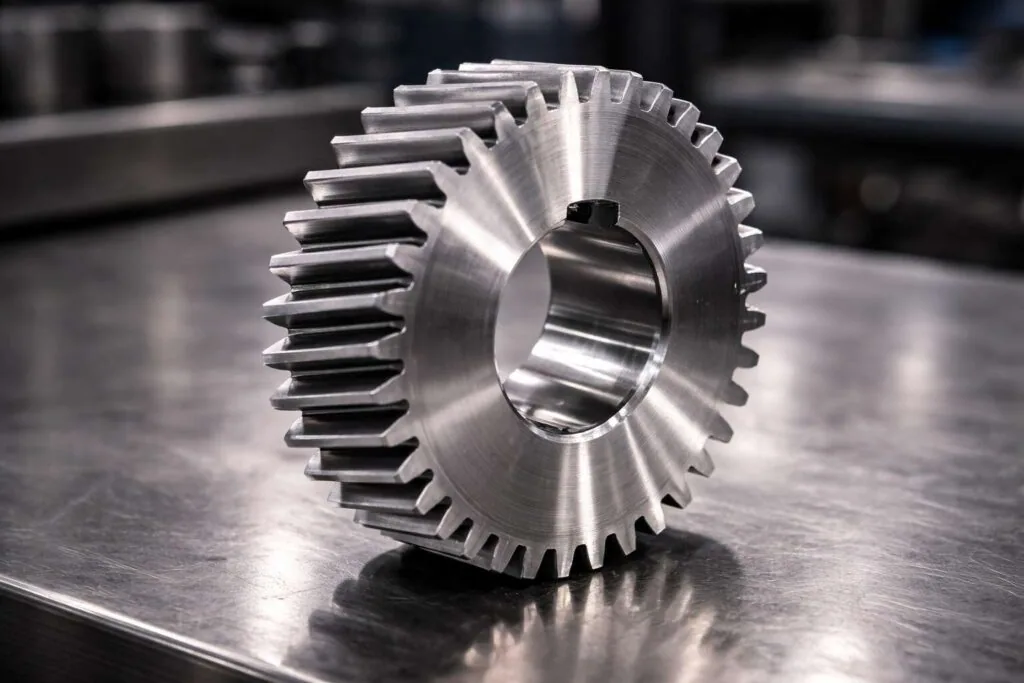
Most drawings carry a note in the title block that nobody re-reads: general tolerances per some standard, some class. That note governs every dimension the designer did not tolerance individually, which on a typical part is the great majority of them. Getting the machining tolerance standards right on precision machined parts therefore matters more than […]
±0.001 mm Machining Accuracy: What It Actually Takes
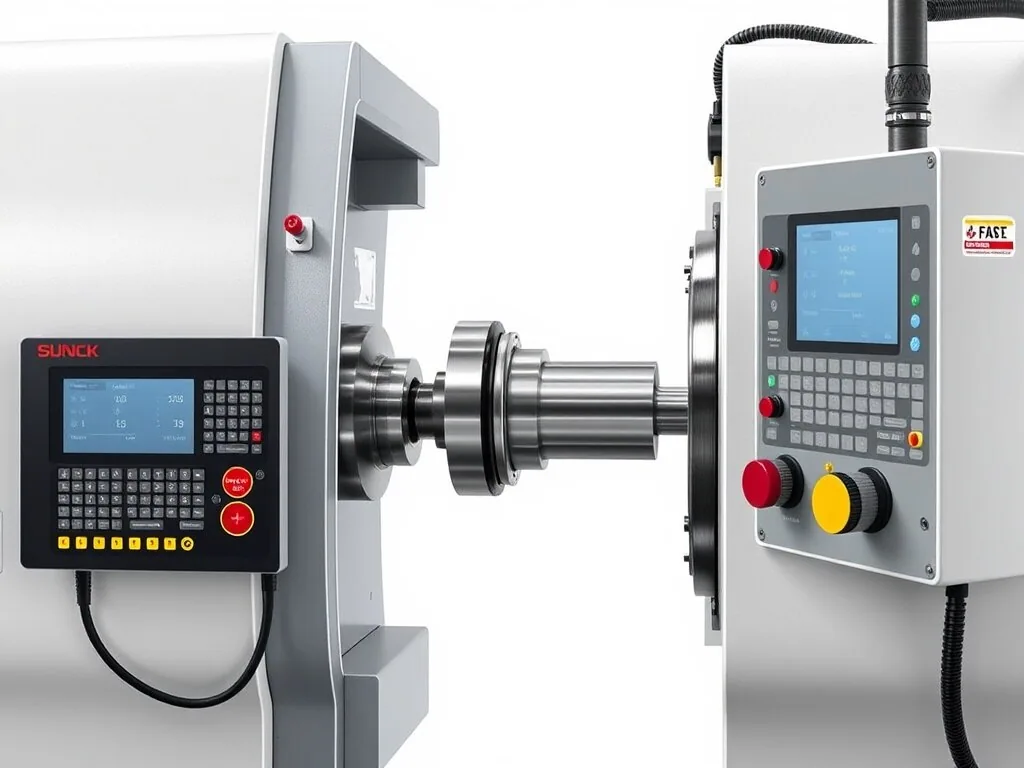
A ±0.001 mm callout is a two-micrometre total zone. Everything that can move — the machine, the tool, the fixture, the workpiece, the room and the instrument that measures it — has to share those two micrometres. At that scale the limiting factors stop being the ones machinists usually argue about and become physics: thermal […]
CNC Part Price Factors: What Turns a Drawing Into a Quote
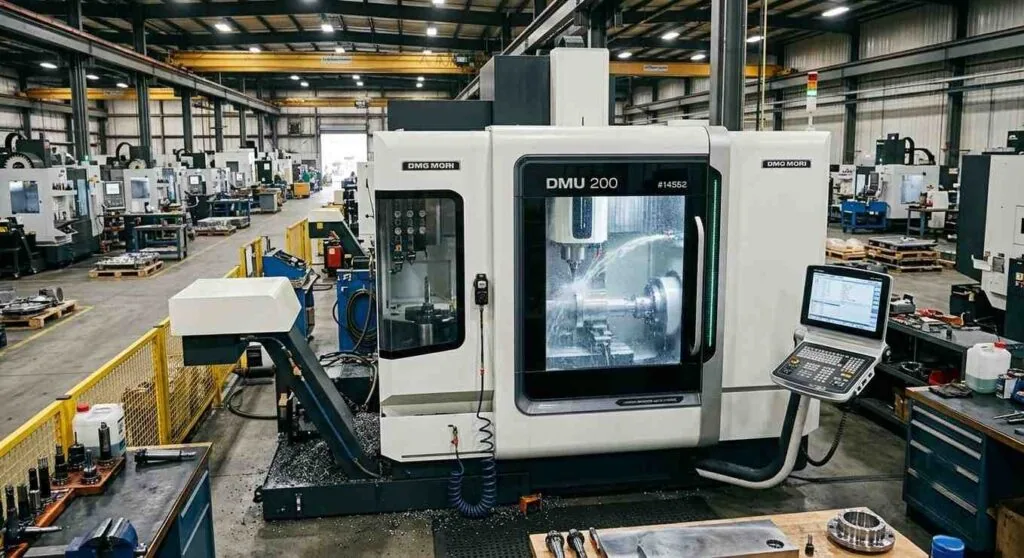
Two suppliers quoting the same drawing can return prices that differ by a large multiple, and neither is necessarily wrong. They have assumed different batch sizes, stock forms, tolerance readings and inspection scopes, and each assumption moves the answer. This article sets out the cnc part price factors as a structure rather than a price […]
CNC Milling vs Turning: Cost Comparison by Part Type

Milling and turning are not two prices for the same job. They are two cost structures, and which one wins on CNC milling vs turning cost depends almost entirely on your part’s shape and quantity. This page sets out where the money goes in each, gives a worked calculation for the point at which one […]
3-Axis vs 5-Axis CNC Machining: Cost & Accuracy Guide
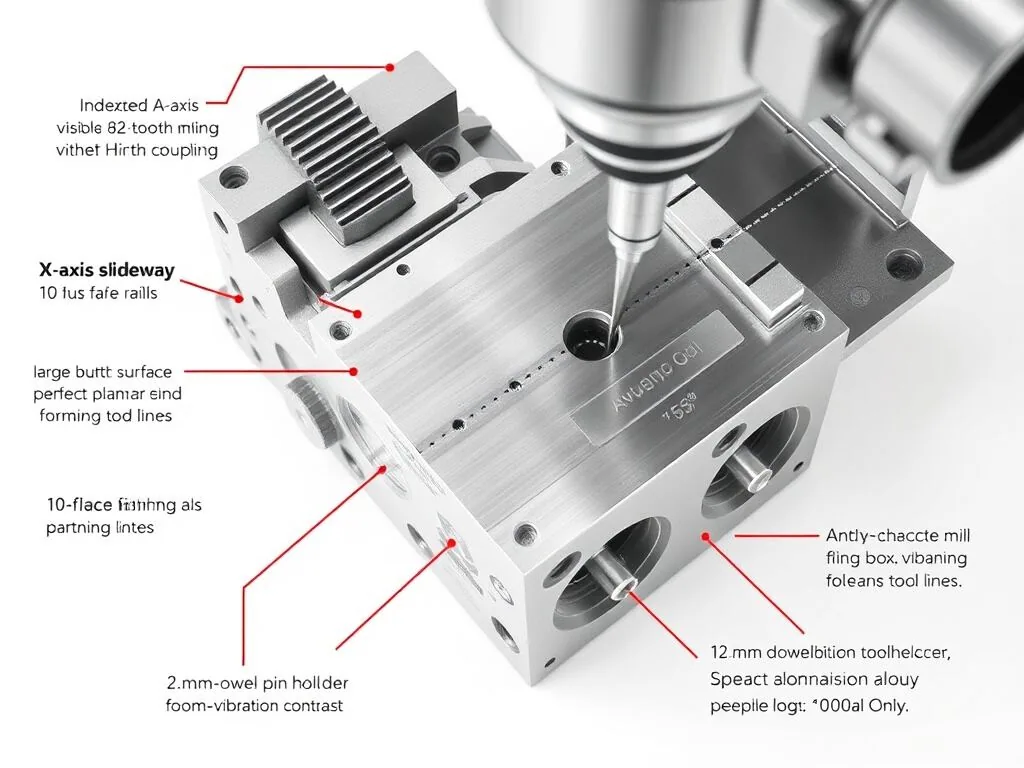
Adding two rotary axes does not make a machine more accurate. It removes the need to unclamp the part, and almost every real difference in 3-axis vs 5-axis machining cost and accuracy follows from that. This page works through where the money goes, shows the arithmetic for the quantity at which 5-axis starts to pay, […]
CNC Machining Tolerances: ±0.01 vs ±0.005 mm Compared
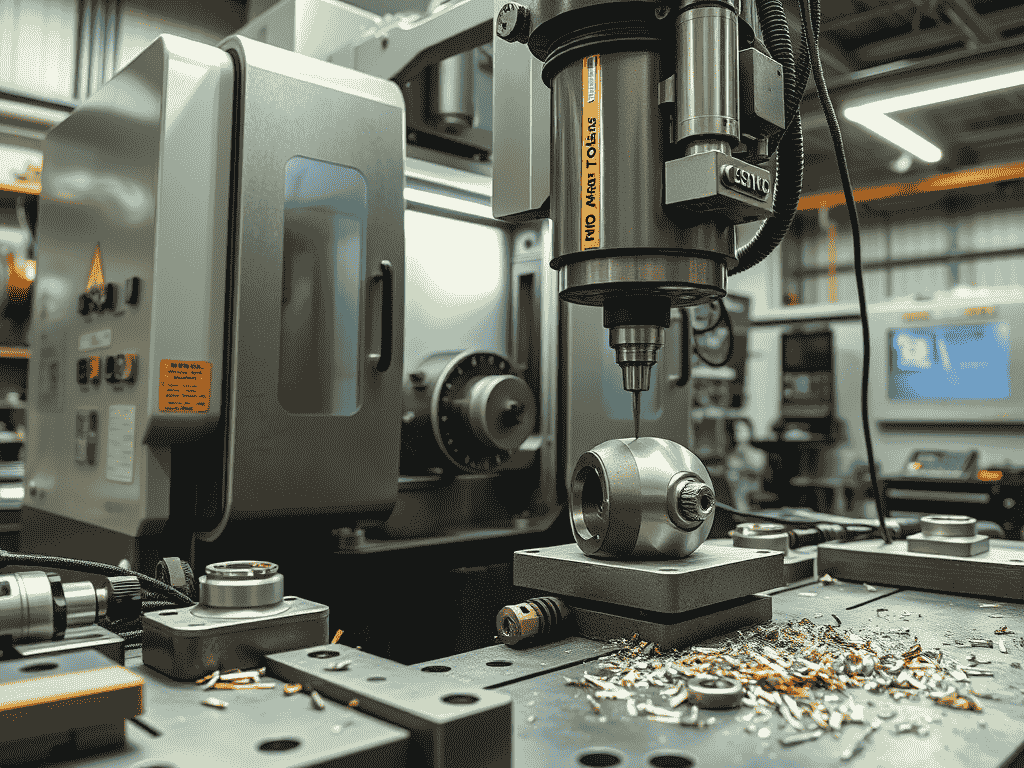
Halving a tolerance band does not simply double the difficulty. It moves three things at once: what the machine must hold, what the measuring system can prove, and what workshop temperature does to the part while you measure it. This page compares two common CNC machining tolerances, ±0.01 mm and ±0.005 mm, on all three, […]