
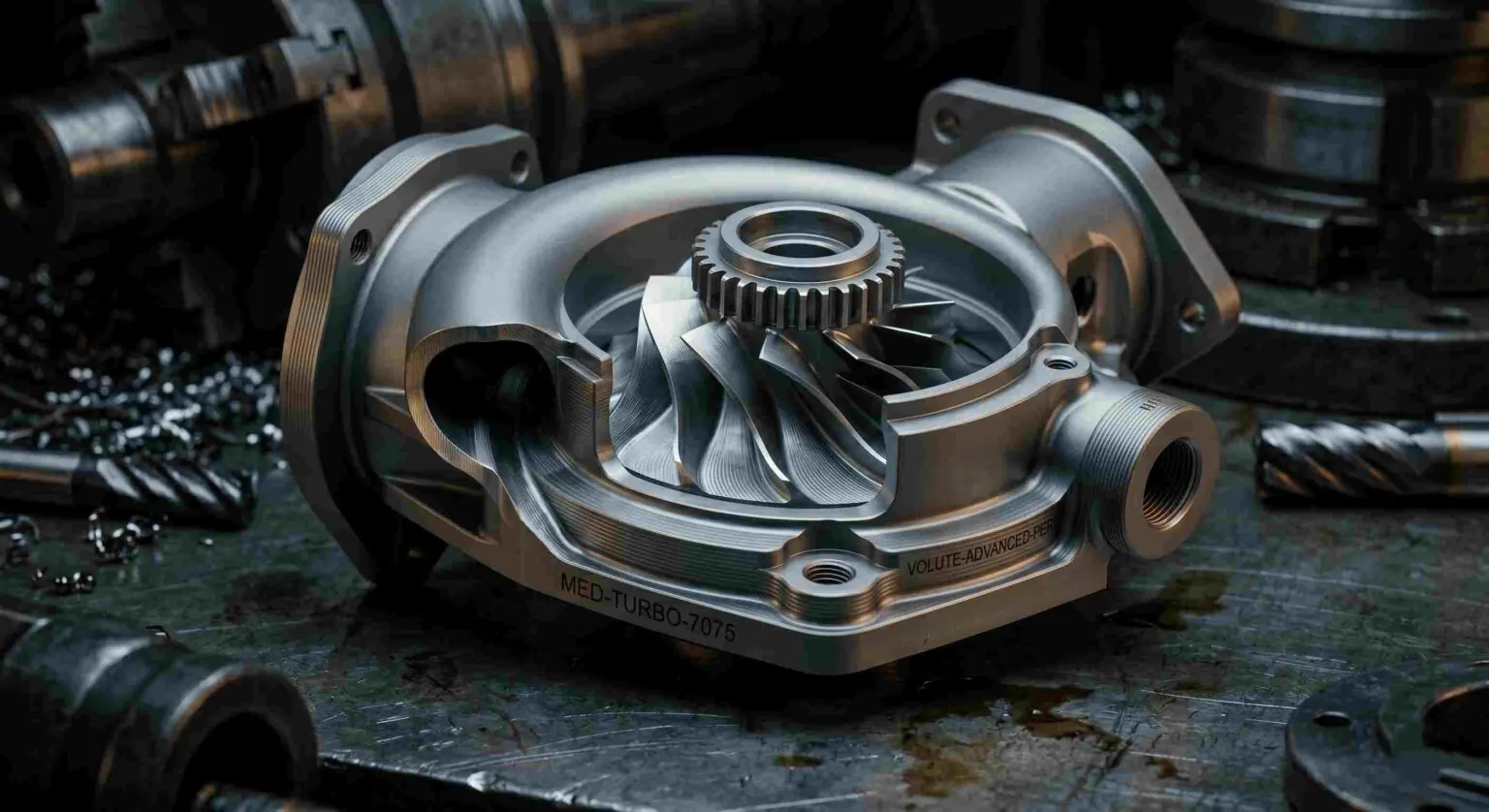
Precision machined products,
made to your drawing
Three families of machined components from one 15,000 m² facility in Shenzhen: general precision parts, connector and contact pins, and functional machine parts. Everything is cut to your drawing. There is no catalogue to order from, and no tooling cost to amortise.
- 15,000 m²Shenzhen facility
- 60+Machining centres
- ±0.001 mmTightest tolerance
- ISO 9001:2015Quality system
Built to spec,
not to a catalogue
Every part starts as your drawing and ends as a measured component with a report attached. Same shop, same engineers, whether it is one prototype or ten thousand pieces.
Made to drawing
Your geometry, your tolerances, your material. Nothing is adapted from a stock item.
No tooling cost
Parts are cut from solid stock, so there is no mould or die to pay off first.
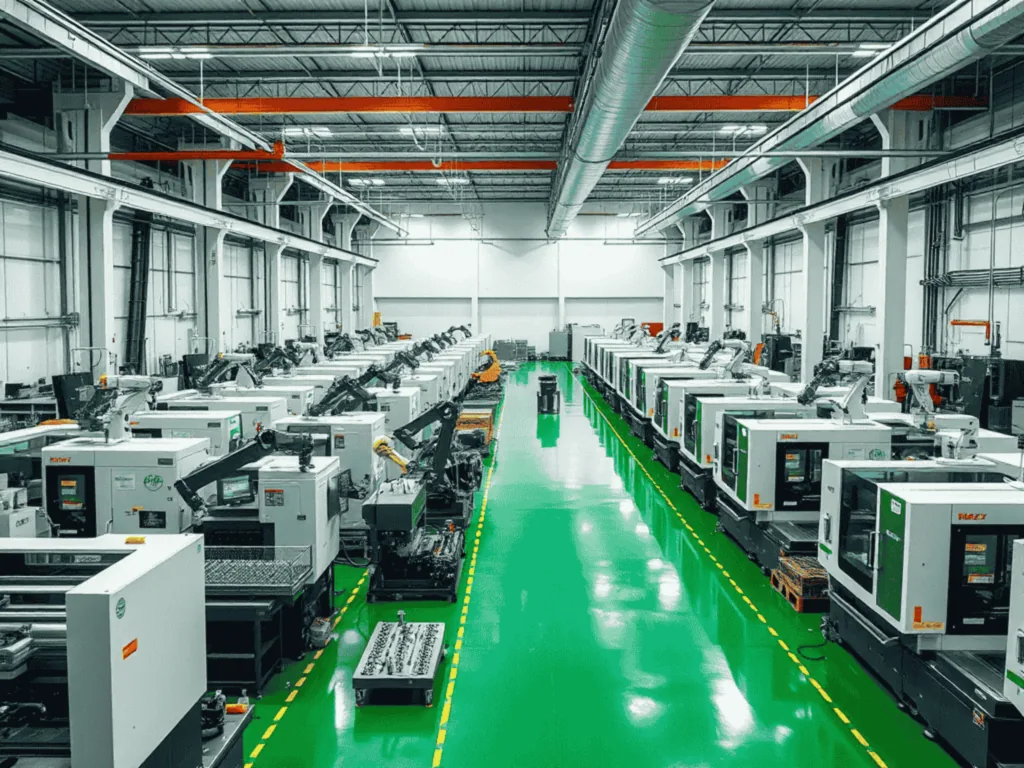
In-house, end to end
Milling, turning, Swiss, EDM, laser and finishing sit under one roof, so a part never leaves our control between operations.
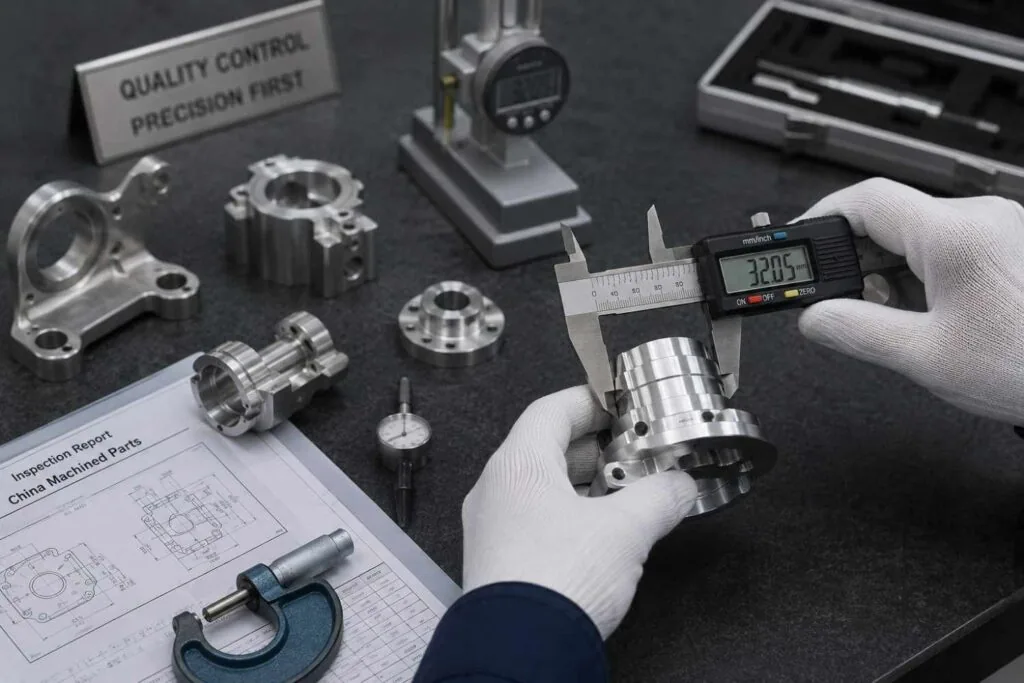
Checked before it ships
CMM inspection and a dimensional report on every first article.
Three product families
They overlap in process and differ in what the part has to do. Pick the closest match, or send the drawing and we will route it for you.
CNC Precision Parts
Tight-tolerance machined components for aerospace, automotive, medical, robotics and electronics. Housings, shafts, brackets, manifolds and custom geometry, from prototype through to volume.
View the range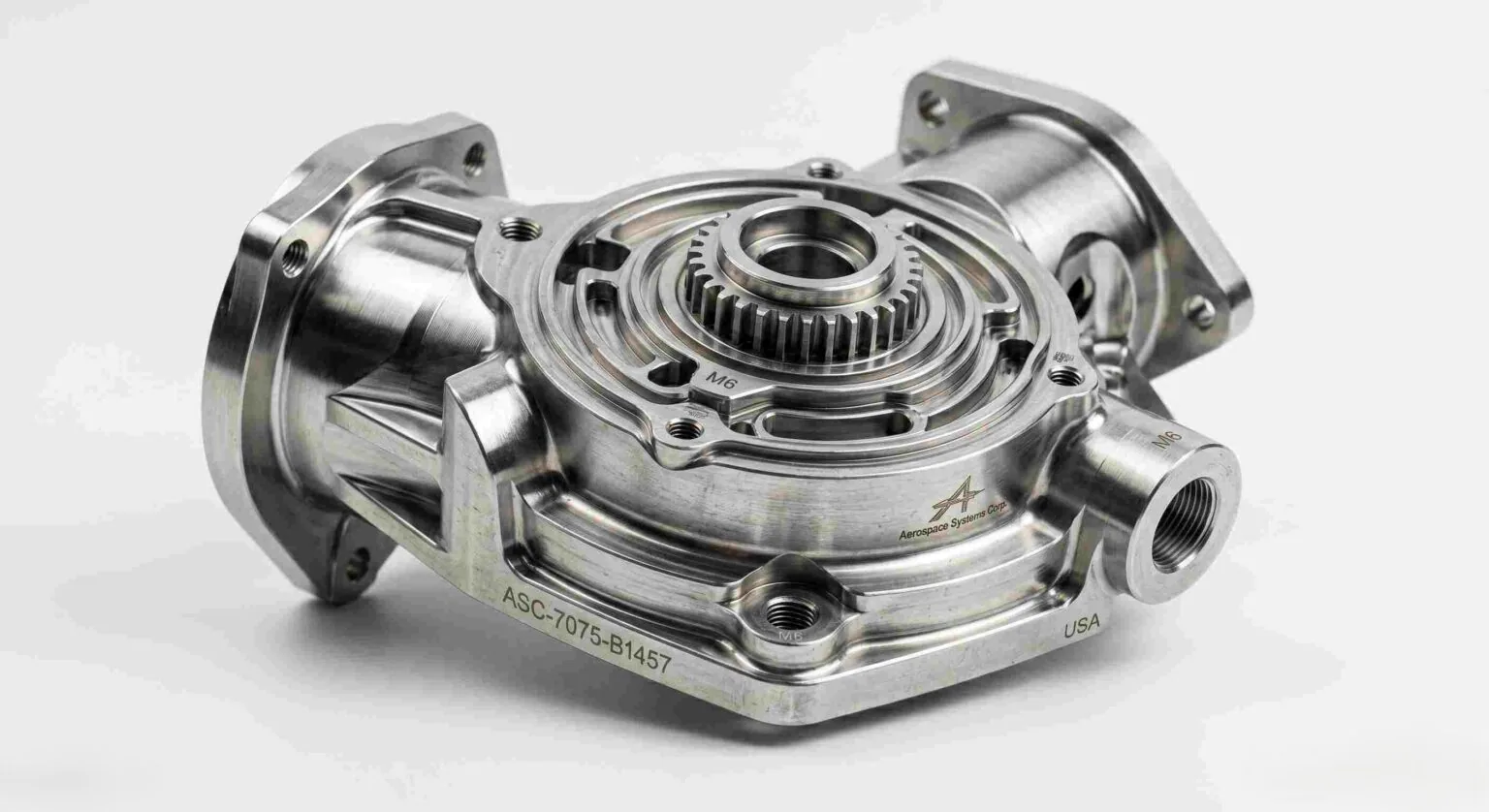
- Tolerance
- ±0.005 mm
- Materials
- 70+
- Lead time
- 5–10 days
Connector Pins & Machined Pins
Contact pins, terminal pins, pogo pins and RF pins turned on Swiss-type lathes. Gold, silver, tin and nickel plating, verified by XRF, with drop-in replacements for obsolete catalogue pins.
View the range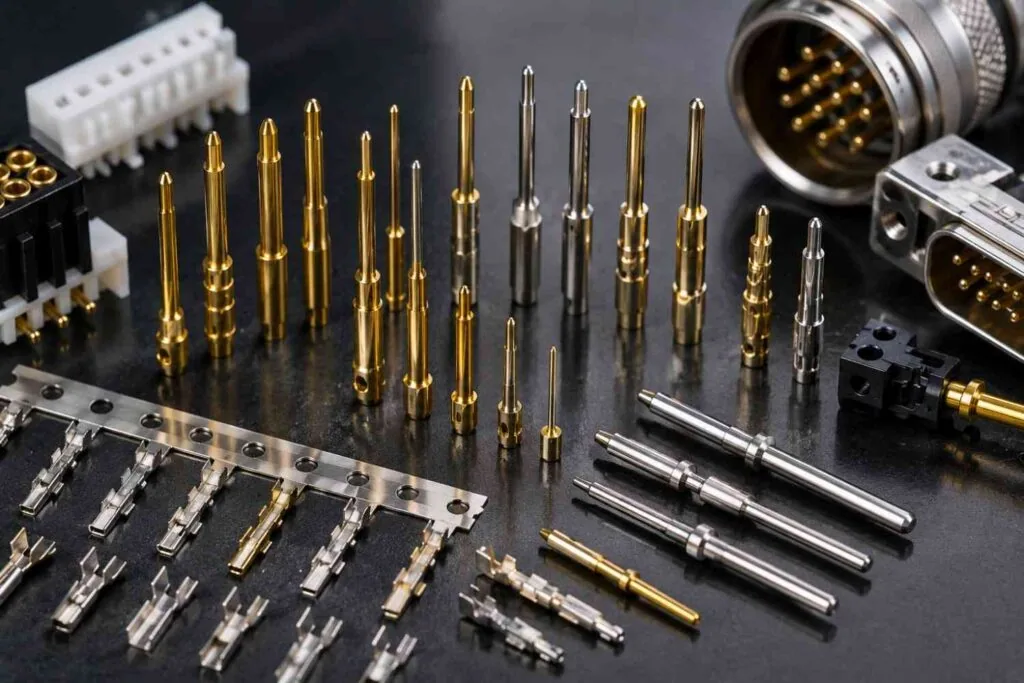
- Ground tolerance
- ±0.001 mm
- Plating
- Au Ag Sn Ni
- Min. diameter
- 0.2 mm
Machine Parts
Structural and functional components for machinery builders. Housings, brackets, shafts, gears, bushings and wear parts, produced to drawing or reverse-engineered from a worn original.
View the range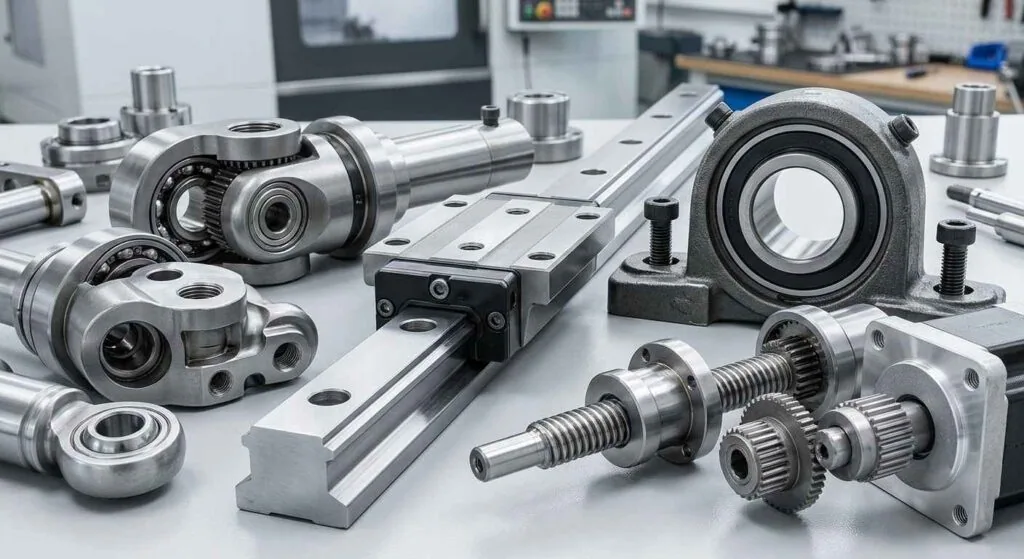
- Tolerance
- ±0.01 mm
- Batch size
- 1–10,000
- Finishing
- In-house
Which range do you need?
If you are unsure, send the drawing to our engineering team and we will route it. The quote is the same either way.
| If your part is… | Range | Typical tolerance | Lead process |
|---|---|---|---|
| An electrical contact carrying signal, power or ground | Connector pins | ±0.005 to ±0.001 mm | Swiss machining |
| A tight-tolerance component defined by a drawing | CNC precision parts | ±0.01 to ±0.005 mm | Multi-axis machining |
| A structural or wear part inside a machine | Machine parts | ±0.05 to ±0.01 mm | CNC milling |
| A one-off to prove a design before committing | CNC prototyping | As drawn | 3–5 business days |
Tolerances are typical capability, not a guarantee on every feature. Final values are confirmed at DFM review.
How they get made
Every product above comes off the same set of in-house processes and the same material stock. The full detail sits on our capabilities and quality assurance pages.
Materials we cutOur products, side by side
The main specifications of our three families of precision machined products in one table. Use it to check capability before you send a drawing — final values for your part are confirmed at DFM review.
| Specification | CNC precision parts | Connector & machined pins | Machine parts |
|---|---|---|---|
| Typical products | Housings, brackets, manifolds, impellers, implant and robot-joint components | Contact, terminal, pogo and RF pins, plus drop-in replacements for obsolete catalogue pins | Shafts, gears, couplings, bearing housings, bushings, valve bodies and hydraulic manifolds |
| Typical tolerance | ±0.005 mm, down to ±0.001 mm on specific features | Turned to ±0.005 mm, ground to ±0.001 mm on critical diameters | ±0.01 mm, tighter on bearing seats and bores |
| Common materials | Aluminium 6061 · 7075, stainless 303 · 304 · 316, titanium, PEEK | Brass, phosphor bronze, beryllium copper, Kovar, stainless steel | Alloy steel, stainless steel, bronze, aluminium, engineering plastics |
| Lead process | 3, 4 and 5-axis milling, turning, EDM | Swiss-type turning, centreless grinding, plating | CNC milling, turning, grinding and gear cutting |
| Finishes | Anodising, passivation, bead blasting, polishing | Gold, silver, tin and nickel plating, verified by XRF | Heat treatment, black oxide, zinc and nickel plating |
| Batch size | 1 to 100,000+ pieces | Prototype samples through high-volume runs | 1 to 10,000+ pieces |
| Inspection | CMM report on every first article and production run | CMM and optical measurement, plating thickness by XRF | CMM report on every first article, material certificates with every order |
| Main industries | Aerospace, medical, automotive, robotics, electronics | Electronics, automotive, aerospace, medical devices | Machinery builders, automotive and EV, robotics, heavy industry |
Figures are typical capability for each family of products, not a guarantee on every feature of every part.
Design notes by familyCNC precision parts
Tolerance only the features that need it. Holding ±0.001 mm means grinding, EDM or micro-machining plus CMM time, so let non-critical dimensions follow ISO 2768-m and the price falls with no loss of function.
Give internal corners a radius of at least 0.5 mm and keep metal walls above 0.5 mm. Where a part has features on several faces, 5-axis machining in one clamping keeps them true to a single datum.
Connector & machined pins
Specify the plating system as well as the base metal: gold over nickel for low-resistance signal contacts, tin for solderable terminals, silver for high-current pins. State the plating thickness so it can be verified by XRF.
Give press-fit sections a defined retention diameter and tolerance, and mark the diameter that must be ground. Pins below 0.2 mm diameter move to the micro-machining line.
Machine parts
Mark bearing seats, gear bores and sealing diameters as critical and let the rest follow general tolerances. If a shaft or bore is plated or hardened, say whether the tolerance applies before or after treatment.
For gears, state the quality class, for example AGMA 10, and the hardening method. For a replacement without a drawing, send the worn part: it is measured on the CMM and a drawing is agreed with you first.
Questions about our products
What engineers and buyers ask before ordering precision machined products from us. For anything not covered here, ask an engineer directly.
What precision machined products does MetalWorks Plus make?
What precision machined products does MetalWorks Plus make?
Three families of products, all machined to your drawing: CNC precision parts such as housings, brackets, manifolds and implant components; connector pins and machined pins such as contact, terminal, pogo and RF pins; and machine parts such as shafts, gears, couplings, bearing housings and valve bodies. All three come from the same 15,000 m² facility in Shenzhen, share the same material stock and inspection lab, and are quoted within 24 hours.
Can I order products from a catalogue?
Can I order products from a catalogue?
No, and that is deliberate. Every product we make is cut to a customer drawing, so there is no stock catalogue, no minimum order and no tooling to amortise. The families on this page show what we make most often, and the sample catalogues on the CNC precision parts, connector pins and machine parts pages show real examples you can use as a starting point for your own drawing.
What tolerances can your machined products hold?
What tolerances can your machined products hold?
CNC precision parts are held to ±0.005 mm on toleranced features, with ±0.001 mm on specific features where grinding, EDM or micro-machining is used. Connector pins are turned to ±0.005 mm and ground to ±0.001 mm on critical diameters. Machine parts are typically held to ±0.01 mm, tighter on bearing seats and bores. These are typical capabilities rather than a promise on every feature, and final values are confirmed at DFM review.
Which materials are available for your products?
Which materials are available for your products?
Aluminium 6061 and 7075, stainless steel 303, 304 and 316, tool and alloy steels, titanium Gr.2 and Gr.5, brass and copper, phosphor bronze, beryllium copper and Kovar, plus engineering plastics such as PEEK, POM, PTFE, nylon, PC and ABS. Connector pins are usually brass, phosphor bronze or beryllium copper; machine parts are usually alloy steel or stainless steel; CNC precision parts span the full list.
How do I choose between CNC precision parts, connector pins and machine parts?
How do I choose between CNC precision parts, connector pins and machine parts?
Start with what the part does. An electrical contact that carries signal, power or ground belongs with connector pins. A tight-tolerance component defined by a drawing belongs with CNC precision parts. A structural or wear part inside a machine belongs with machine parts. If a product sits between two families, send the drawing anyway: our engineers route it to the right process, and the quote is the same either way.
Is there a minimum order quantity for your products?
Is there a minimum order quantity for your products?
No. Products are quoted from a single prototype upwards: machine parts run from 1 to 10,000+ pieces and CNC precision parts to 100,000+, while connector pins go from prototype samples to high-volume runs. Unit price falls fastest across the first 50 pieces because programming, setup and fixturing are shared by the batch, so it is worth asking for several price breaks in one request.
How long does it take to make machined products?
How long does it take to make machined products?
Prototypes ship in 3–5 business days and typical CNC precision parts in 5–10 days from drawing approval. Plating, heat treatment and large production runs add time, and the quote states the lead time for your quantity. Urgent work can run on the CNC prototyping track, and repeat orders are faster because the programs and fixtures are already proven.
How are your products inspected before shipping?
How are your products inspected before shipping?
Every first article is measured on a CMM and the dimensional report is sent to you; the rest of the batch is not cut until you approve it. Production runs are checked in-process and again at final inspection, and material certificates and a certificate of conformance travel with the shipment. First article inspection to AS9102 is available for aerospace programs.
Do you offer plating and surface finishing on products?
Do you offer plating and surface finishing on products?
Yes. Anodising, passivation, bead blasting, polishing, black oxide and zinc or nickel plating are available across the product range, and connector pins are plated in gold, silver, tin or nickel with the thickness verified by XRF. If a coating adds thickness to a toleranced feature, mark it on the drawing and the part is machined undersize so it still meets its fit after finishing.
Can you replace an obsolete or worn part?
Can you replace an obsolete or worn part?
Yes. Machine parts can be reverse-engineered from a worn original on the CMM, and connector pins can be made as drop-in replacements for obsolete catalogue pins. We build a model and a drawing from the sample, confirm the key dimensions with you, and then machine the replacement in the material and finish you specify.
Which industries use your precision machined products?
Which industries use your precision machined products?
Aerospace, medical, automotive and EV, robotics, electronics and general machinery. CNC precision parts go into airframes, implants and robot joints; connector pins go into circuit boards, cable harnesses and test fixtures; machine parts go into gearboxes, pumps, hydraulic systems and production equipment. The same quality system covers all three families of products.
What files do I need to send for a quote?
What files do I need to send for a quote?
A 3D model in STEP or IGES plus a 2D drawing in PDF that carries tolerances, surface finish, thread callouts, material and quantity. SolidWorks and DXF files are accepted too. A model alone carries no tolerance intent, so without a drawing parts are machined to ISO 2768-m general tolerances. Every file is reviewed by an engineer, and the DFM feedback is free whether you order or not.
Do you sign an NDA before I send drawings?
Do you sign an NDA before I send drawings?
Yes, on request, and drawings are never shared. You can have an NDA signed before you send anything. Unreleased designs are common in our work, so confidentiality is part of the normal quoting process for all our products rather than a special request.
Do you ship products outside China?
Do you ship products outside China?
Yes. Products ship from Shenzhen to customers in 50+ countries by DHL, FedEx and air freight, with sea freight available for heavy machine parts. Export packaging, commercial invoices and material certificates are prepared with every order, and the quote states the shipping method and trade terms you prefer.
Can one order combine products from different families?
Can one order combine products from different families?
Yes. Because every family is made in the same facility, an assembly that needs a machined housing, a shaft and a set of contact pins can be quoted, inspected and shipped together as one order. That removes the hand-offs between suppliers and keeps a single point of accountability for the whole assembly.
Why buy precision machined products from MetalWorks Plus?
Why buy precision machined products from MetalWorks Plus?
One shop covers milling, turning, Swiss, EDM, laser cutting and finishing, so a part never leaves our control between operations. Every drawing gets a free DFM review, every first article is measured on a CMM, and quotes come back within 24 hours with no minimum order. The machines and inspection equipment behind our products are listed on the capabilities and quality assurance pages.
Do you provide samples before a production order?
Do you provide samples before a production order?
Yes. Every production order starts with a first article that is measured on a CMM and sent to you with its report. Connector pins can be supplied as plated samples for mating and insertion tests before the run is released, and machine parts can be fitted in your assembly first.
How do you price machined products?
How do you price machined products?
Price is driven by material, machining time, the number of setups, tolerance and finish, spread across the batch size. Programming and fixturing are one-off costs, so they matter most on small quantities. The quote itemises the unit price at each quantity you ask for, and the free DFM review points out any feature that adds cost without adding function.
Can you work to ISO, ASME or DIN drawing standards?
Can you work to ISO, ASME or DIN drawing standards?
Yes. Drawings to ISO and ASME Y14.5 geometric tolerancing are routine, and general tolerances follow ISO 2768 unless the drawing states otherwise. Threads are cut to metric, UNC, UNF, BSP and NPT standards, and splines to DIN 5480 or ANSI B92.1, so our products drop into assemblies designed anywhere.
Do you offer assembly as well as machining?
Do you offer assembly as well as machining?
Yes. Sub-assemblies and finished components can be delivered with bearings, bushings, inserts, seals or fasteners fitted, and each assembled unit is checked against your drawing before it ships. Machining and assembly in one facility shortens the supply chain and removes a handling step between suppliers.
What information helps you quote products faster?
What information helps you quote products faster?
The drawing with tolerances and material, the quantity or a range of quantities, the finish or plating, any documents you need such as material certificates or a first article report, and the delivery country. With those details an engineer can quote in one pass, usually within 24 hours, without a round of questions.
Are your products RoHS and REACH compliant?
Are your products RoHS and REACH compliant?
Yes. RoHS and REACH declarations are available for products shipped to the EU, and material certificates to EN 10204 3.1 trace each batch back to its mill heat. If your program needs a specific declaration or a full material disclosure, name it in the request and it is prepared with the shipment.
How do you keep repeat orders consistent?
How do you keep repeat orders consistent?
Programs, fixtures and inspection plans for repeat products are kept on file, so a reorder runs on a proven process instead of being set up from scratch. Critical dimensions are tracked with statistical process control on production runs, and a change to material or process is raised with you before the order runs.
Send a drawing,
get a quote in 24 hours
STEP, IGES, SolidWorks, DXF or PDF. An engineer reviews every drawing for manufacturability before quoting, and the DFM feedback is free whether you order or not.
NDA on request · Drawings never shared · ISO 9001:2015